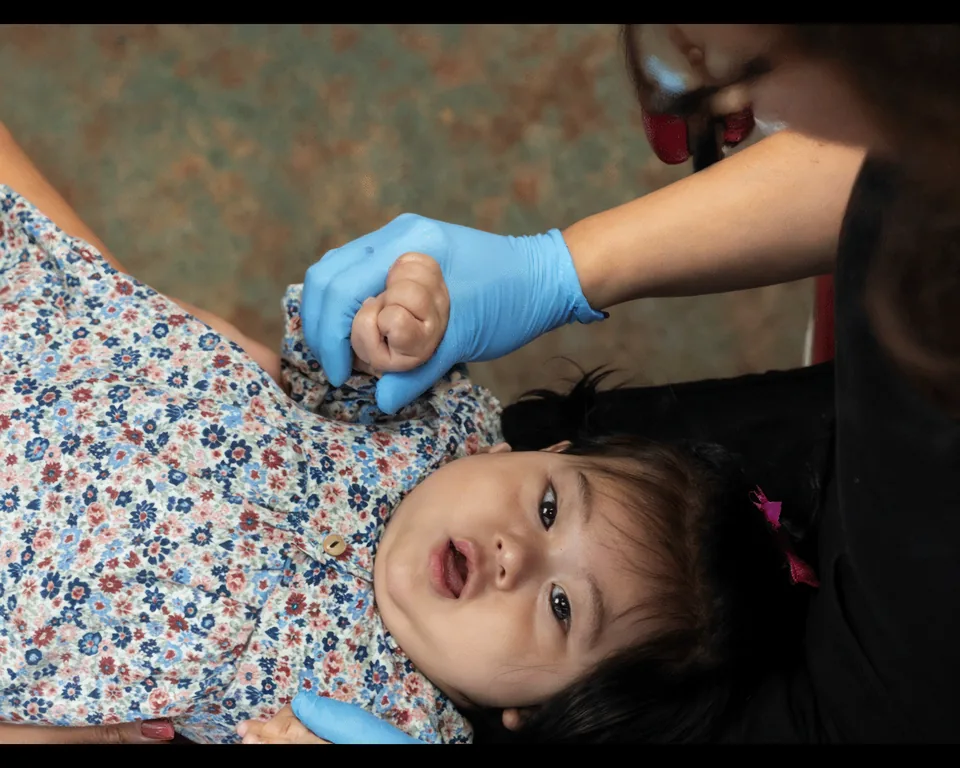
Teething can be a challenging time for both infants and their parents, as little ones experience discomfort while their first teeth emerge. This natural milestone can lead to restless nights and fussy days, leaving many caregivers searching for effective ways to ease their child’s discomfort. Fortunately, there are numerous strategies to soothe teething pain, but Mason Park Dental for Kids, led byDr. Tam Nguyen, provides invaluable guidance.
In this blog, we will explore practical tips and advice from professionals in comprehensive pediatric dentistry, including insights from a trusted dentist for kids. With empathy and expertise, we aim to help you navigate this developmental phase with confidence and care.
Signs Your Child is Teething
Recognizing the signs of teething can help parents provide timely comfort and care. Common indicators that your child is teething include increased drooling, which can lead to skin irritation or a mild rash around the mouth. You may notice your child chewing on objects more frequently as they attempt to alleviate gum discomfort. Additionally, teething often results in swollen, tender gums, causing some children to become fussier or more irritable than usual. Sleep disturbances may occur, disrupting both your child’s and your own rest.
Some infants experience a slight rise in temperature, though a significant fever is not typically linked to teething. Observing these signs can help distinguish teething from other potential issues, allowing parents to focus on effective soothing methods.
Common Teething Symptoms
Teething is a natural part of a child’s development, but it can bring about various symptoms that may cause discomfort. Common teething symptoms include irritability and fussiness, as children may feel uneasy due to the pressure and pain in their gums. Excessive drooling is another frequent symptom, as the body produces more saliva to help soothe the gums. This can sometimes lead to a mild rash around the cheeks and chin if not cleaned regularly. Chewing or biting on objects is typical as infants seek relief from gum pain.
Additionally, parents might observe a slight increase in their child’s temperature, though it’s important to note that teething should not cause a high fever. Changes in eating or sleeping patterns may also occur during this period. Understanding these symptoms can help parents provide the necessary comfort and care, with resources like comprehensive pediatric dentistry offering valuable support and advice.
When to Consult a Dentist
While teething is generally a normal process, there are instances when consulting a dentist may be beneficial. If your child experiences severe discomfort that doesn’t improve with typical soothing methods, it might be time to seek professional advice. Persistent symptoms like prolonged high fever, diarrhea, or rash around the mouth warrant a consultation, as they might indicate another underlying issue.
Additionally, if your child reaches 18 months without showing signs of teething, a dental evaluation could help assess any potential developmental concerns. The professionals can provide insights into your child’s dental development and any specific care needs, helping to ensure a healthy start to your child’s oral health journey.
Safe Teething Toys
Safe teething toys can provide significant relief for infants experiencing teething discomfort. Look for toys that are made from non-toxic materials and are free from harmful chemicals like BPA. Silicone and natural rubber teething rings are popular choices due to their softness and durability. These materials allow children to chew safely, easing gum pain. Ensure the toys are large enough to prevent choking hazards and have no detachable parts. Some teething toys can be chilled in the refrigerator, offering additional comfort through cooling effects. Avoid freezing as this can make the toy too hard, potentially harming tender gums.
Natural Pain Relievers
Natural pain relievers can be an effective way to alleviate teething discomfort without the use of medication. One simple method is massaging your child’s gums with a clean finger, applying gentle pressure to soothe the pain. This contact can help reduce inflammation and provide immediate comfort. Cold can also be a great aid; offering a chilled spoon or a washcloth that’s been soaked in cold water can provide relief due to the numbing effect of the cold. Chamomile tea, known for its calming properties, can be used in a slightly chilled form to soothe sore gums. Simply soak a cloth in the tea and let your child chew on it.
Cold Compress Techniques
Cold compress techniques offer an effective way to soothe teething discomfort in infants. The cold acts as a natural anesthetic, numbing the gums and reducing inflammation. One easy method is to dampen a clean washcloth with water, twist it into a small roll, and chill it in the refrigerator. Once cooled, let your child chew on it to relieve gum pain. Another option is using chilled teething rings, which are designed to be safely chewed on and easily cooled. Be sure to avoid freezing them, as extreme cold can cause additional discomfort or damage to tender gums.
Benefits of Comprehensive Pediatric Dentistry
Comprehensive pediatric dentistry offers numerous benefits for children, especially during the teething phase. This specialized field focuses on the unique dental needs of infants, children, and adolescents. Pediatric dentists are trained to manage a child’s growth and development, providing early diagnosis and treatment for potential dental issues. Regular visits to a pediatric dentist can help in monitoring teething progress and ensuring that teeth emerge properly. These professionals also educate parents on effective home care practices and diet choices that promote oral health.
With their expertise, they can offer personalized guidance tailored to each child’s needs, addressing any concerns about teething or other developmental milestones. Additionally, comprehensive pediatric dentistry fosters a positive dental experience, helping children feel comfortable and reducing anxiety about dental visits.
Establishing Healthy Dental Habits
Establishing healthy dental habits early on is crucial for ensuring long-term oral health in children. Start by introducing a dental care routine as soon as your child’s first tooth appears. Use a soft-bristled toothbrush and a smear of fluoride toothpaste to gently clean their teeth twice a day. As your child grows, encourage them to take an active role in their oral hygiene routine. Teaching proper brushing techniques, such as brushing for at least two minutes and reaching all areas of the mouth, is essential. Regular flossing should also be introduced as more teeth emerge.
Preventative Dental Visits
Preventative dental visits play a critical role in ensuring long-term oral health for children. These visits are designed to monitor dental development, identify potential issues early, and provide professional cleaning to maintain healthy teeth and gums. By scheduling regular check-ups, typically every six months, parents can help prevent common problems such as cavities and gum disease. During these visits, pediatric dentists offer valuable advice on proper oral hygiene techniques and dietary recommendations to support dental health. They may also provide fluoride treatments or dental sealants to further protect against tooth decay.
These appointments are an opportunity to address any concerns parents might have about their child’s oral health or development. Engaging with Mason Park Dental for Kids ensures that children receive comprehensive care tailored to their unique needs. Consistent preventative care not only helps maintain a healthy smile but also fosters a positive attitude towards dental visits, encouraging lifelong oral hygiene practices.
Conclusion
Navigating the teething phase can be a challenging yet rewarding journey for parents and caregivers. Understanding the signs and symptoms of teething and utilizing effective soothing techniques can significantly ease this process for both children and families. Whether it’s choosing safe teething toys, employing natural remedies, or seeking professional advice from professionals at Mason Park Dental for Kids, led byDr. Tam Nguyen, support is readily available. Establishing early dental care habits is crucial for a child’s long-term oral health, setting the foundation for a lifetime of healthy smiles. By staying informed and proactive, parents can help their children through the discomfort of teething with confidence and care.
Key Takeaways
- Recognize Teething Signs Early: Understanding the signs of teething can help in providing timely and appropriate relief for your child.
- Utilize Safe Soothing Techniques: Methods like cold compresses and safe teething toys can effectively alleviate discomfort.
- Seek Professional Advice: If teething symptoms persist or seem severe, consulting a pediatric dentist is advisable.
- Foster Healthy Dental Habits: Establishing a dental care routine early can promote lifelong oral health for your child.
- Regular Dental Visits Are Crucial: Preventative visits help monitor teething progress and ensure any potential issues are addressed early on.
FAQs
What are typical signs of teething in infants?
Common signs include drooling, gum swelling, irritability, and a tendency to chew on objects.
At what age do babies typically start teething?
Teething generally begins between 4 and 7 months of age, though it can vary.
Are teething gels safe for my child?
It’s best to consult with a pediatric dentist before using teething gels, as some contain ingredients that may not be safe for infants.
How can I differentiate between teething symptoms and illness?
Mild symptoms like slight temperature elevation and fussiness can be normal, but consult a doctor if there are signs of high fever or illness.
When should I schedule my child’s first dental visit?
The American Academy of Pediatric Dentistry recommends a first dental visit by the age of 1 or within six months after the first tooth appears.
Contact us NOW
________________________________________________________________