
The practice
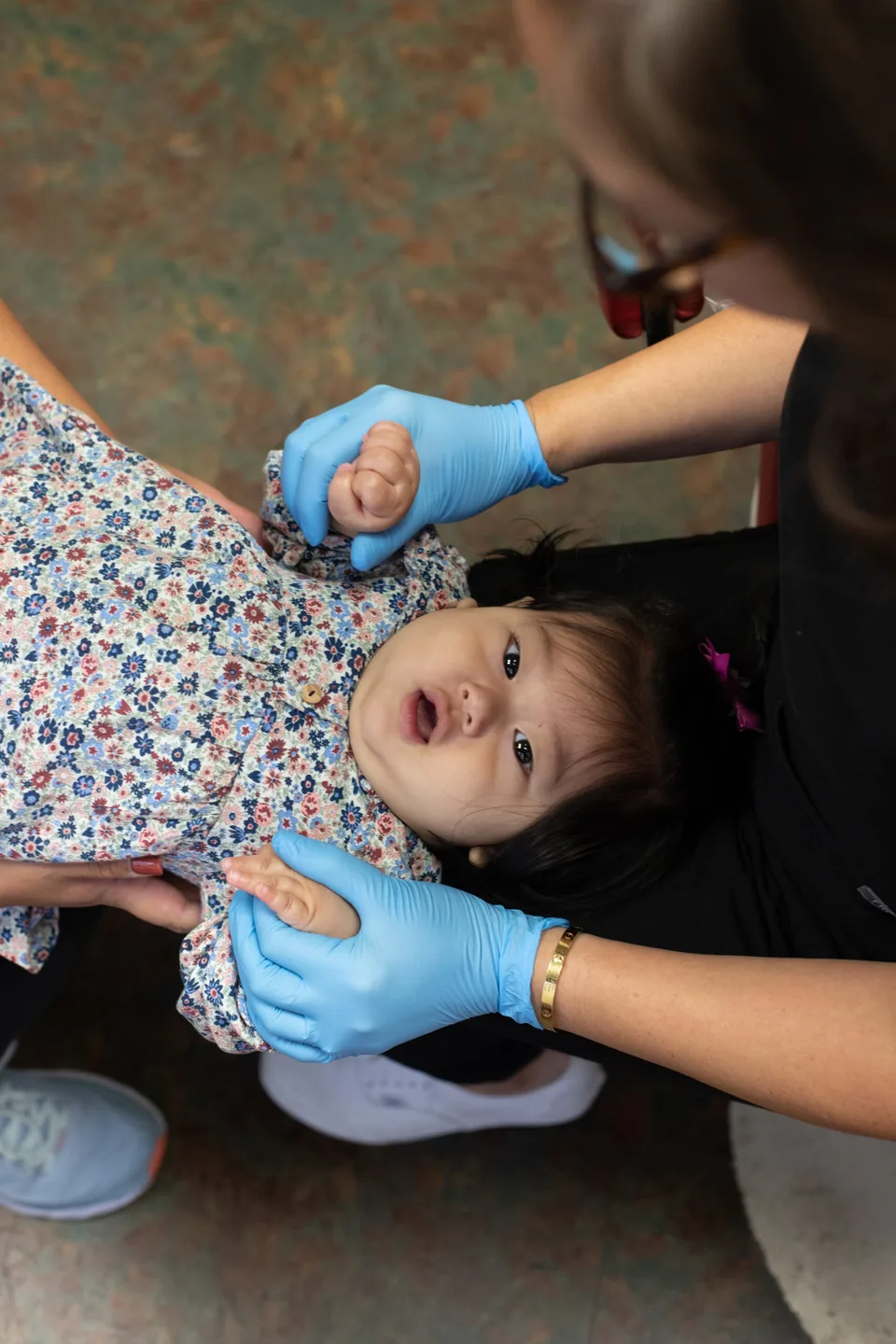
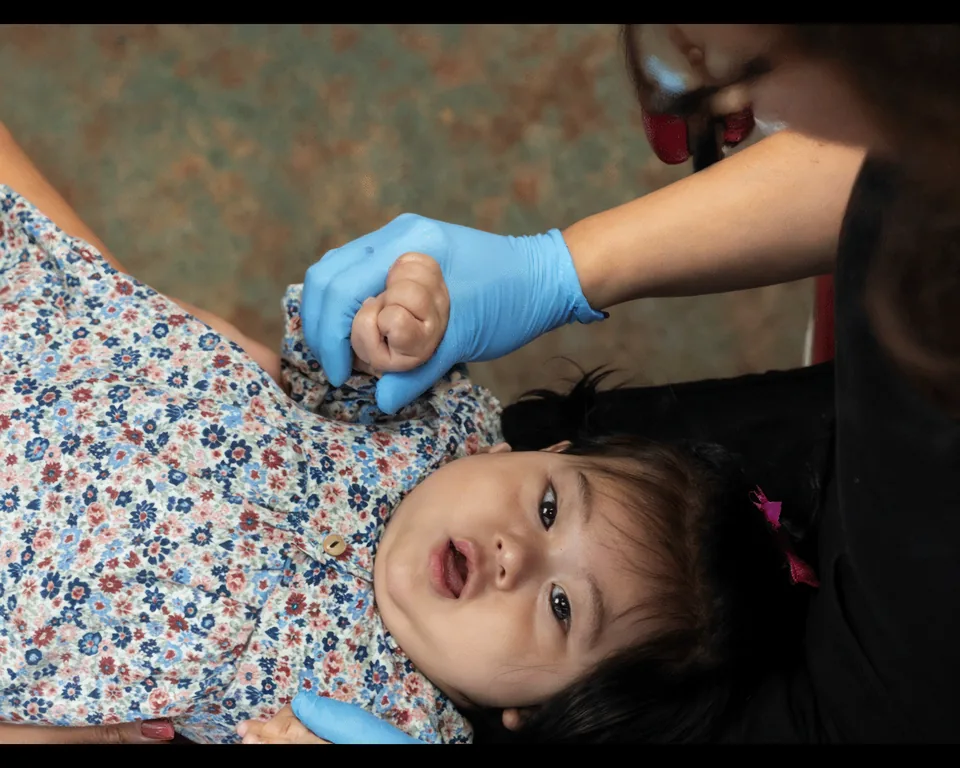
Your child stays on your lap, and their head rests on our knees.
Unlike a traditional exam where the child sits alone in a high chair, the knee-to-knee approach brings the dentist down to the child’s eye level, with you holding them the whole time.
Credentialed by





The Method
What it is, and how it is done.
Why children dread the chair
Visiting the dentist can be a daunting experience for children, often filled with anxiety and fear. As parents, ensuring that your child feels comfortable and safe during dental visits is paramount for their long-term oral health. One innovative approach that pediatric dentists are adopting to create a more child-friendly environment is the Knee-To-Knee Pediatric Dental Exam. But what exactly is a Knee-To-Knee Pediatric Dental Exam, and how can it benefit your child? Let’s delve into the details.
The position
A Knee-To-Knee Pediatric Dental Exam is a specialized technique used by pediatric dentists to create a more comfortable and less intimidating dental experience for young patients. Unlike traditional dental exams where the child sits in a high chair while the dentist leans over them, the knee-to-knee approach involves the dentist sitting on the floor at the child’s eye level. This method fosters a sense of equality and reduces the power imbalance that can often cause fear and anxiety in children.
How the exam runs
The knee-to-knee exam begins with the dentist and the child sitting side by side on the floor or a low stool. The dentist maintains eye contact and uses gentle language to explain each step of the examination process. This approach allows the child to feel more involved and less like they are being examined, fostering a sense of participation and control over their own care.
What It Changes
Four things that follow from being held.
It reduces anxiety and fear
The position minimises the child’s fear by removing the feeling of being overpowered. That relaxed posture lowers anxiety and makes the visit a positive one.
It builds trust
Being on the same level as the child allows the dentist to engage properly, so the child feels safe enough to say what is worrying them.
It improves cooperation
A child who feels less threatened cooperates, and a cooperative exam is a thorough one. Problems get found while they are small.
It sets the pattern
Positive early experiences at the dentist set the foundation for a lifetime of good oral health habits.
Who It Is For
Three groups it helps most.
Young children
Toddlers and preschoolers, just starting to develop their independence, benefit greatly. The equal interaction helps them associate dental visits with positive emotions rather than fear.
Children with dental anxiety
Kids with a history of anxiety, or a bad experience somewhere else, find relief in the relaxed environment and build a better outlook on dental care.
Children with special needs
Where a traditional exam is overwhelming, this approach is more accommodating and can be tailored to what a particular child needs.
Before You Come
Three things that help on the day.

Explain it in simple terms
Talk to your child about what to expect during the dental visit using simple and positive language. Emphasize the fun aspects, such as getting a clean and bright smile.
Reinforce a positive attitude
Encourage your child by praising their bravery and reinforcing that the dentist is there to help them keep their teeth healthy and strong.
Pick the time carefully
Choose a time when your child is well-rested and not hungry, as this can help in reducing irritability and making the visit smoother.
The Invitation
Book the first one before the first birthday.
The American Academy of Pediatric Dentistry recommends a first visit within six months of the first tooth, or by the first birthday. Contact Mason Park Dental for Kids in Katy, TX.
- Hours
- Mon and Wed 9am to 6pm
Tue and Thu 8am to 5pm
Fri to Sun Closed