
Oct 31, 2025Dental care7 min read
Does Clove Oil Really Work for Toothaches? Here’s the Truth
Toothaches can be some of the most uncomfortable pains you’ll ever experience - a throbbing reminder that something’s wrong beneath the surface.
Read it
Dental care
Monitoring your child’s dental health is an essential part of ensuring their overall well-being, especially as new patients in the dental care system.
Credentialed by





The Article

Monitoring your child’s dental health is an essential part of ensuring their overall well-being, especially as new patients in the dental care system. As parents, understanding the milestones of dental development can help you keep track of your child’s progress and address any concerns early on. With the right guidance and resources atMason Park Dental for Kids, led byDr. Tam Nguyen, you can ensure your child receives the best possible care.
In this blog, we will explore key dental milestones, provide tips on how to effectively monitor your child’s dental health, and highlight the benefits of utilizing Katy new patient dental services to support your child’s dental journey. Join us as we navigate the path to a healthy smile for your little one.
Tracking key dental milestones is crucial for monitoring your child’s oral health. The first major milestone is the emergence of primary teeth, usually starting between six and ten months of age. By the age of three, most children will have a complete set of 20 primary teeth. It’s important to maintain these teeth, as they play a critical role in speech development and proper nutrition.
The next significant phase is the transition to permanent teeth, beginning around age six. This process, known as exfoliation, involves the loss of primary teeth and the eruption of permanent ones. By age 12 or 13, most children will have 28 permanent teeth. Monitoring these changes helps identify potential issues such as misalignment or cavities early on. New patients should regularly visit a pediatric dentist, particularly in areas like Katy, TX, which offers affordable dental services for kids. Timely intervention ensures a healthy foundation for lifelong dental health.
Recognizing healthy teething is essential for parents to ensure their child’s dental development is on track. Teething typically begins around six months of age and can cause discomfort. Common signs include drooling, gum swelling, and irritability. While these symptoms are usually mild, it’s important to differentiate normal teething from other health issues.
Healthy teething does not result in high fever, diarrhea, or rashes, so consult a pediatrician if these occur. During this phase, offering teething toys can soothe your child’s gums. Avoid teething tablets or gels with benzocaine, as they can pose health risks. Regularly cleaning your child’s gums with a soft, damp cloth helps maintain oral hygiene even before teeth emerge.
Establishing good oral hygiene habits early on is vital in promoting lifelong dental health. Start by gently cleaning your baby’s gums with a soft, damp cloth even before the first tooth appears. This practice helps remove bacteria and prepares them for brushing. Once the first tooth emerges, switch to a small, soft-bristled toothbrush and a smear of fluoride toothpaste.
Make brushing a fun, routine activity by involving your child, allowing them to hold the toothbrush, and using songs or games to keep them engaged. Supervise brushing until at least age seven to ensure proper technique.
Access to affordable dental services is crucial for maintaining your child’s oral health without straining your family’s budget. In Katy, TX, several dental practices offer cost-effective solutions tailored to the needs of young patients. These services often include preventive care such as cleanings, fluoride treatments, and sealants, vital in preventing cavities and promoting healthy teeth.
Mason Park Dental for Kids, led byDr. Tam Nguyen, understands the financial concerns that many families face and typically offers flexible payment plans or accepts various insurance plans to ease the financial burden. Additionally, some clinics provide discounts or special rates for new patients, making initiating a routine dental care program easier.
Parents can ensure that their children receive the necessary care by choosing affordable dental services without compromising quality. This accessibility helps establish a regular dental routine, encourages lifelong oral health habits, and ensures that all children have the opportunity to achieve a healthy smile.
Selecting the right pediatric dentist is essential for fostering a positive dental experience for your child. Begin by seeking recommendations from other parents or your child’s pediatrician. Online reviews and ratings can also provide insights into the quality of care offered by local dentists. Prioritize dentists who specialize in pediatric care, as they possess the expertise and skills necessary to address children’s unique dental needs.
When evaluating potential dentists, consider their communication style and approach towards children. A good pediatric dentist should be patient, friendly, and able to explain procedures in a way that is understandable and reassuring to both children and parents. Visiting the dental office beforehand can help you assess the environment; a welcoming, kid-friendly atmosphere can significantly ease your child’s anxiety.
Regular dental check-ups are a cornerstone of maintaining your child’s oral health. For most children, visiting the dentist every six months is recommended. This frequency allows for early detection of potential issues such as cavities, misaligned teeth, or gum disease. Pediatric dentists can also provide preventive treatments like fluoride applications and sealants during these visits, which help protect your child’s teeth from decay.
However, some children may require more frequent visits, especially if they have certain risk factors, such as a history of cavities, dental needs, or specific medical conditions affecting oral health. Your pediatric dentist will assess your child’s individual needs and recommend an appropriate check-up schedule.
Monitoring your child’s oral hygiene habits is vital in ensuring their dental health is on track. Begin by establishing a routine of brushing twice a day with fluoride toothpaste. For toddlers and young children, parents should supervise to ensure they use the correct amount of toothpaste and brush effectively.
As children grow, encourage them to take more responsibility while still overseeing their technique. Flossing should be introduced once two teeth touch, teaching children the importance of cleaning between teeth.
Promote healthy dietary habits by limiting sugary snacks and drinks, as these can lead to cavities. Encourage water consumption, particularly fluoridated water, which can aid in strengthening teeth. Regularly checking your child’s mouth for signs of plaque, decay, or gum issues can also be beneficial.
Being able to identify common dental issues early can prevent more serious problems down the line. One of the most prevalent issues in children is tooth decay, often caused by poor oral hygiene and high sugar intake. Look for signs such as toothaches, sensitivity, or visible holes in the teeth.
Gum disease, or gingivitis, can also affect children, marked by red, swollen, or bleeding gums. If left untreated, it could progress to more severe periodontal disease. Malocclusion, or misalignment of teeth, is another concern. This can include overbite, underbite, or crowding and may require dental intervention.
Making brushing fun can greatly enhance your child’s willingness to maintain oral hygiene. Turning this routine task into an enjoyable activity helps cultivate positive dental habits. One effective technique is allowing children to choose their toothbrush and toothpaste, ideally featuring their favorite colors or characters, making the experience more personal and engaging.
Incorporating music is another way to make brushing enjoyable. Playing a two-minute song can serve as a timer and ensure your child brushes long enough while dancing along. Storytelling or role-playing can also enhance the experience, pretend they’re a superhero fighting off cavity monsters, adding an element of fun to the routine.
Establishing a consistent dental routine is crucial for fostering lifelong oral health habits in children. Start by setting a specific time for brushing teeth in the morning and before bed. Consistency helps children understand that dental care is a non-negotiable part of their daily routine.
Create a visual schedule or checklist that kids can refer to. This will make it easier for them to follow the steps involved in brushing and flossing. Encourage them to mark off each task upon completion, providing a sense of accomplishment.
Incorporate educational moments into the routine, explaining the importance of each step and how it contributes to a healthy smile. Reward systems, such as stickers or a small treat for consistent adherence, can motivate children to stick to their routines.
Motivating children to floss regularly can be challenging but rewarding in establishing comprehensive oral hygiene. Begin by educating them on why flossing is important, explaining how it removes food particles and plaque that brushing alone cannot reach. Use simple language and visuals to make the concept more relatable.
Introduce flossing as a fun activity by using floss picks in various colors or with favorite characters, making the process more engaging. Demonstrate the technique into a joint activity where your child mirrors your actions.
Incorporate a reward system where children earn small incentives for consistent flossing, such as extra playtime or a sticker on a chart. Create a narrative around flossing, like a mission to defeat plaque monsters hiding between teeth, to spark their imagination and interest.
Handling dental emergencies promptly and effectively is crucial for minimizing potential damage and ensuring your child’s comfort. Common dental emergencies include knocked-out teeth, chipped or fractured teeth, and severe toothaches. For a knocked-out permanent tooth, try to gently reinsert it into the socket without touching the root. If that’s not possible, store it in milk or a saline solution and seek immediate dental care.
If a tooth is chipped or fractured, rinse the mouth with warm water and apply a cold compress to reduce swelling. A severe toothache might indicate an infection; rinse with warm salt water and avoid placing aspirin directly on the gum. Seek professional help promptly.
Dental anxiety is common among children and can hinder their willingness to attend dental appointments. Effectively managing this anxiety involves a combination of preparation, communication, and positive reinforcement. Begin by discussing dental visits positively, explaining what to expect using age-appropriate language, and emphasizing the importance of oral health.
Role-playing a dental visit at home can familiarize your child with the process, reducing fear of the unknown. Reading books or watching videos about friendly dental experiences can also make the concept more approachable.
On the day of the appointment, bring a comfort item, such as a favorite toy or blanket, to provide reassurance. Arrive early to allow your child time to acclimate to the environment.
Recognizing when to seek professional dental help for your child is crucial in preventing minor issues from escalating into major problems. Regular dental check-ups are important, but there are specific signs that warrant immediate attention. Persistent tooth pain, sensitivity to hot or cold, or visible changes in teeth, such as discoloration or chips, should not be ignored.
Swollen or bleeding gums may indicate gum disease and require prompt evaluation. If your child experiences a dental injury, such as a knocked-out or fractured tooth, seek emergency dental care immediately. Unusual symptoms like jaw pain, headaches, or signs of infection, such as fever and swelling, also necessitate professional assessment.
Monitoring your child’s dental milestones is a significant aspect of their overall health and development. From the first tooth to a full set of permanent teeth, understanding these milestones enables you to address potential concerns early.
By establishing positive dental routines and utilizing affordable dental services,Mason Park Dental for Kids, led byDr. Tam Nguyen, helps your child build a solid foundation for lifelong oral health. Regular check-ups, healthy habits, and choosing the right dental professionals ensure your child achieves and maintains a confident, healthy smile.
When should my child have their first dental visit?
Your child should have their first dental visit by age one or within six months after their first tooth appears.
How can I make brushing teeth a fun activity for my child?
Try using toothbrushes with their favorite characters, play music, or use interactive apps that make the experience engaging.
What should I do if my child knocks out a tooth?
Gently try to place it back in the socket if possible, or store it in milk and seek immediate dental care.
How often should my child visit the dentist?
Most children should visit the dentist every six months, though some may need more frequent visits based on their oral health needs.
What are the benefits of choosing a pediatric dentist in Katy, TX?
Pediatric dentists in Katy offer specialized care with a focus on making dental visits comfortable and affordable for children.
________________________________________________________________
Read Next
Every post is written for a parent, not a dentist. The same topic first, then whatever was published nearest to this one.
Oct 31, 2025Dental care7 min read
Toothaches can be some of the most uncomfortable pains you’ll ever experience - a throbbing reminder that something’s wrong beneath the surface.
Read it
Sep 19, 2025Dental care7 min read
Think about the last time someone pulled out their phone for a group photo.
Read it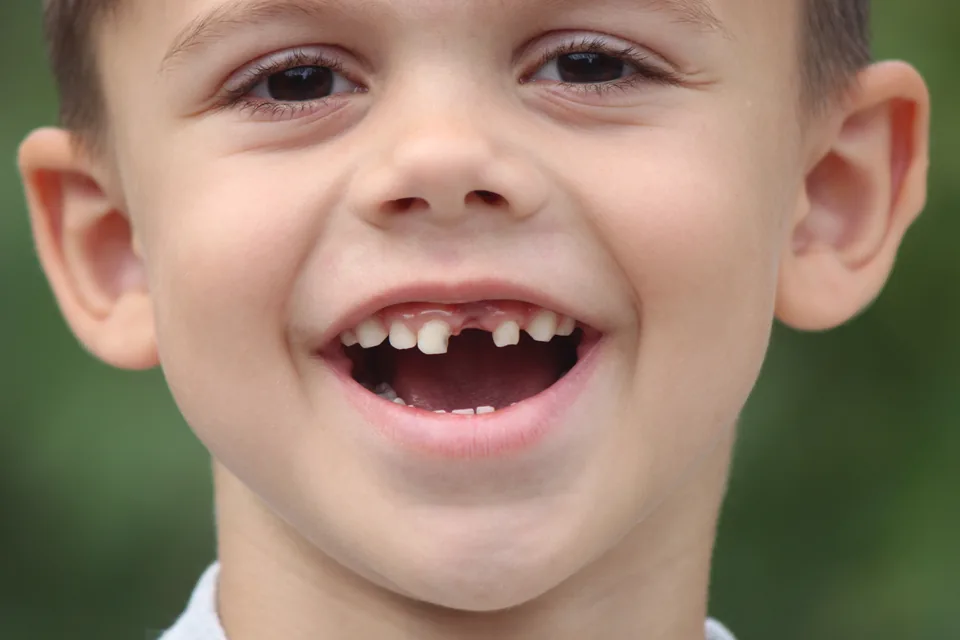
Jul 30, 2025Dental care6 min read
Every great smile starts small-literally. For parents in Katy, TX, making sure their child’s smile stays healthy and bright begins with the right dental habits early on.
Read itThe Invitation
A post is general by nature. The visit is about your child. Book one, and ask the front desk anything this page raised.