[caption id="attachment_25033" align="alignnone" width="2560"] [/caption]
In a stunning display of the universe’s majesty,NASA has unveiled breathtaking new images of space, showcasing never-before-seen details of shimmering stars and celestial wonders. These mesmerizing snapshots of the cosmos remind us of the brilliance and beauty that light can bring, even in the darkest corners of the galaxy. Just as these radiant stars illuminate the vastness of space, a bright and healthy smile can light up a room, capturing the same awe and admiration here on Earth.
As we marvel at the beauty of the universe this holiday season, let’s turn our focus closer to home, on ensuring our children’s smiles shine just as brightly atMason Park Dental for Kids, led byDr. Tam Nguyen.
While the universe showcases its splendor, your child’s oral health is closer to home and demands equal attention. Cavities are one of the most common health issues affecting children, and timely treatment can make all the difference. In this blog, we’ll explore why addressing cavities promptly is essential and how it can help your child shine this Christmas and beyond.
Understanding Cavities in Children
Cavities, or dental caries, occur when acid-producing bacteria damage tooth enamel. This process is often accelerated in children due to frequent snacking, sugary treats, and less-than-perfect oral hygiene habits. Left untreated, cavities can cause pain, infections, and even long-term dental issues.
Why Children Are More Prone to Cavities
Understanding why children are more susceptible to cavities can help parents take proactive steps to protect their young ones’ dental health. The combination of physiological, dietary, and behavioral factors makes children particularly vulnerable to tooth decay. Let’s explore these aspects in detail:
Developing Enamel
Children’s teeth are still in the early stages of development, and their enamel, the protective outer layer of the tooth, is thinner and less mineralized than adults. This makes their teeth less resistant to acid attacks caused by bacteria in the mouth. Acidic byproducts from the breakdown of sugars and starches can erode this weaker enamel more easily, creating the perfect conditions for cavities to form.
Moreover, baby teeth, which are eventually replaced by permanent teeth, are even more delicate. While these teeth are temporary, they play a crucial role in a child’s oral health and development, making it essential to protect them from decay. Without proper care, cavities in baby teeth can progress quickly, leading to pain, infections, or premature tooth loss, which can affect the alignment and health of incoming permanent teeth.
Dietary Habits
Children’s diets often include a higher proportion of sugary foods and drinks, which are a leading cause of cavities. From holiday candies, cookies, and chocolates to fruit juices and sodas, these treats are frequently consumed in excess during festive seasons like Christmas. The sugars in these foods feed the bacteria in the mouth, producing acids that attack tooth enamel.
Sticky and chewy holiday treats, such as caramels or toffees, pose an additional risk as they cling to teeth longer, providing a prolonged food source for harmful bacteria. Even seemingly healthy snacks, like dried fruits, can contribute to decay due to their natural sugars and sticky texture. Encouraging moderation and balancing these indulgences with healthier alternatives can go a long way in reducing cavity risks.
Incomplete Oral Hygiene Skills
Proper oral hygiene requires consistent brushing and flossing to remove food particles and plaque. Still, younger children may not yet have the skills or patience to perform these tasks effectively. Brushing too quickly, missing hard-to-reach areas, or skipping flossing altogether can leave plaque to accumulate on teeth. This plaque eventually hardens into tartar, which can only be removed by professional cleaning.
Additionally, children may need help understanding the importance of oral hygiene routines, making it easy for them to skip brushing, especially during busy holiday schedules filled with excitement and late nights. Their efforts may fall short without adult supervision and assistance, leaving their teeth more vulnerable to decay.
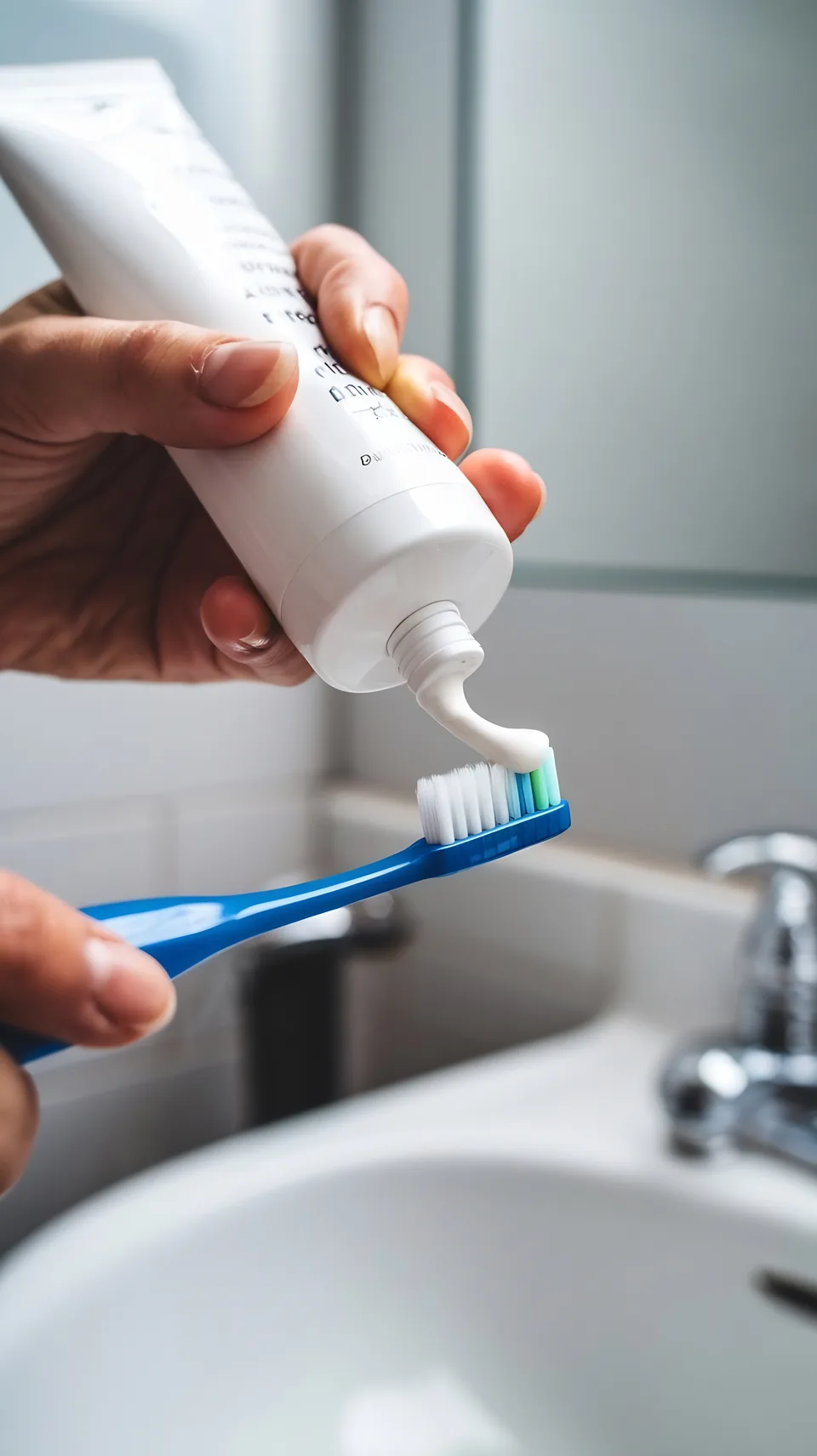
Parents play a critical role in establishing and reinforcing these habits. Guiding children to brush thoroughly for at least two minutes twice daily, using fluoride toothpaste, and teaching them how to floss properly can significantly reduce their risk of cavities. For very young children, parents should help with brushing and flossing until they develop the talent to do it themselves, typically around the age of 7 or 8.
The Importance of Timely Cavity Treatment
Cavities in children are more than just a small dental concern, they can significantly impact a child’s overall well-being if not addressed promptly. Understanding the importance of timely cavity treatment atMason Park Dental for Kids, led byDr. Tam Nguyen, can help parents take proactive steps toward their child’s oral health. Here’s why acting early matters:
Preventing Pain and Discomfort
Cavities can progress rapidly in children due to the softer enamel of their primary teeth, leading to tooth sensitivity, discomfort, and even severe pain. This discomfort can affect a child’s ability to focus on schoolwork, enjoy meals, and sleep soundly. Early treatment halts the decay and ensures your child avoids the disruption caused by unnecessary dental pain.
Preserving Oral Function
Primary teeth, commonly known as baby teeth, are vital to a child’s oral development. They assist in:
- Speech Development: Properly aligned teeth are essential for clear pronunciation and speech clarity. Cavities left untreated can lead to tooth loss, potentially causing speech difficulties.
- Chewing Efficiency: Baby teeth play a crucial role in breaking down food for digestion. Painful cavities can make chewing difficult, impacting a child’s nutrition and overall health.
- Guiding Permanent Teeth: Primary teeth serve as placeholders for adult teeth. Suppose baby teeth are lost prematurely due to untreated decay. In that case, this may lead to misalignment of permanent teeth, requiring dental intervention later on.
Avoiding Complications
Untreated cavities can escalate into more severe issues, such as:
- Infections: Decay can penetrate deeper layers of the tooth, causing abscesses or infections that may spread to other areas of the body.
- Costly and Invasive Treatments: Advanced decay often requires more complex procedures, such as root canals or tooth extractions, which are more invasive and expensive.
- Impact on Overall Health: Oral infections can affect other parts of the body and potentially weaken the immune system, posing additional risks.
Boosting Confidence
Children are often self-conscious about their appearance, especially when interacting with peers or attending events like holiday gatherings. A healthy, cavity-free smile enhances their confidence, encouraging them to participate in group activities, laugh freely, and enjoy life to the fullest.
Additional Benefits of Timely Treatment
- Establishing Healthy Habits: Addressing cavities early teaches children the value of maintaining oral hygiene and sets the foundation for a lifetime of good dental habits.
- Building Trust with the Dentist: Early treatment helps children build positive associations with the dentist, reducing anxiety and fostering a cooperative relationship for future dental visits.
- Cost Savings for Parents: Preventive care and early intervention are generally more affordable than extensive treatments for advanced decay.
Schedule a Dental Check-Up
If you haven’t already, book a dental appointment before the holidays. A dentist can identify and treat cavities early, ensuring your child’s smile is holiday-ready.
Limit Sugary Treats
While it’s unrealistic to eliminate holiday sweets, moderating their consumption and encouraging water intake afterwards can help reduce cavity risk.
Opt for Dental Sealants
Dental sealants are protective coatings applied to the chewing surfaces of molars. They are an effective preventative measure against cavities.
Educate About Healthy Choices
Encourage your child to enjoy festive snacks like cheese, nuts, and fresh fruits, which are less likely to cause cavities.
Fluoride Treatments
For early-stage cavities, fluoride treatments can help remineralize enamel and reverse decay.
Dental Fillings
For more advanced decay, a dental filling can restore the tooth’s structure and prevent further damage. Tooth-colored fillings blend seamlessly with natural teeth.
Crowns
A crown may be needed to preserve the function of a tooth that is significantly affected.
Pulpotomy
If decay reaches the tooth’s pulp, a pulpotomy (a baby tooth version of a root canal) may be required to save the tooth and alleviate pain.
Conclusion: Sparkle Like the Stars
This Christmas, let your child’s smile radiate the same brilliance as the stars showcased in the latest cosmic discoveries. Addressing cavities promptly and prioritizing their oral health gives your child confidence, comfort, and a bright future. As we celebrate the magic of the season, remember that a healthy, happy smile is one of the greatest treasures of all. Take the time to invest in their dental care now atMason Park Dental for Kids, led byDr. Tam Nguyen, so they can continue to shine for years to come.
Key Takeaways:
- Early intervention is crucial: Timely treatment of cavities prevents pain and complications, ensuring a healthier smile.
- Oral hygiene matters: Encourage consistent brushing and flossing habits to protect against cavities.
- Moderation is key: Limit sugary holiday treats and promote healthy snack options for your child.
- Preventative measures work: Dental sealants and fluoride treatments effectively reduce cavity risks.
- Regular dental check-ups are essential: Schedule routine visits to monitor your child’s oral health and catch issues early.
FAQs
How can I tell if my child has a cavity?
Common signs include tooth sensitivity, pain when eating sweets or cold foods, visible holes in teeth, and complaints of discomfort. Regular dental visits help catch cavities early.
Is cavity treatment painful for children?
Modern dentistry ensures that cavity treatments are as comfortable as possible. Dentists use numbing agents and child-friendly techniques to minimize pain and anxiety.
Can cavities in baby teeth be ignored since they fall out?
No, cavities in baby teeth should be treated to prevent pain, infections, and complications that could affect permanent teeth.
How often should my child visit the dentist?
Children should see a dentist every six months for check-ups and cleanings. More frequent visits may be recommended if your child is prone to cavities.
Are dental sealants safe for children?
Yes, dental sealants are safe and highly effective in preventing cavities. They provide an extra layer of protection on molars, where decay often starts.