The tooth is isolated.
Isolated from saliva to keep it dry, because composite resin will not bond to a wet surface.
Restorative dentistry
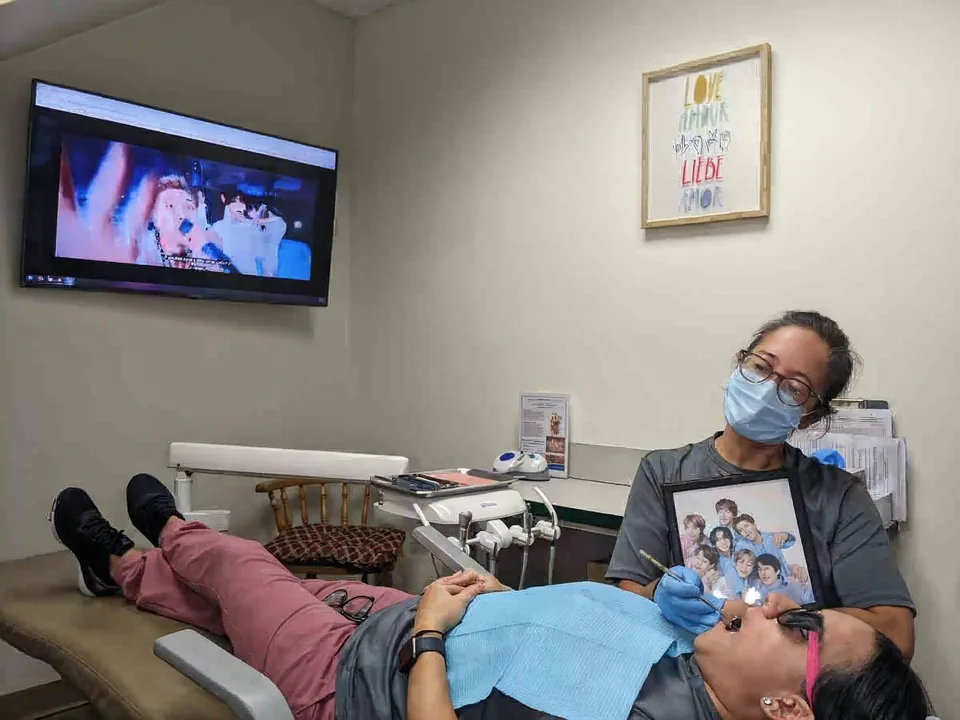
Harmful bacteria on the tooth can lead to decay. Removing the decayed portion and filling the area protects the tooth from infection and further decay.
Credentialed by





The Treatment
Harmful bacteria on the tooth can lead to decay. Your dentist can remove the decayed portion of the tooth and fill the area. Fillings can also be used to repair cracked or broken teeth and teeth that have been worn down. Tooth colored fillings are made out of porcelain or composite resin, which is undetectable and offers an aesthetically pleasing solution for a decayed tooth. This protects the tooth from infection and further decay.
When decay is left untreated, it can worsen, causing further infection and more severe pain. The infected tooth may eventually require a root canal or extraction.
The Path
Isolated from saliva to keep it dry, because composite resin will not bond to a wet surface.
An air abrasion is used to remove the infected part of the tooth.
The composite resin is placed in layers over the opening.
A special light is used to harden each layer of composite resin material.

After the tooth is filled, the composite resin is shaped to resemble a real tooth.
Afterwards
You can decrease your child’s risk of cavities and other dental diseases by:
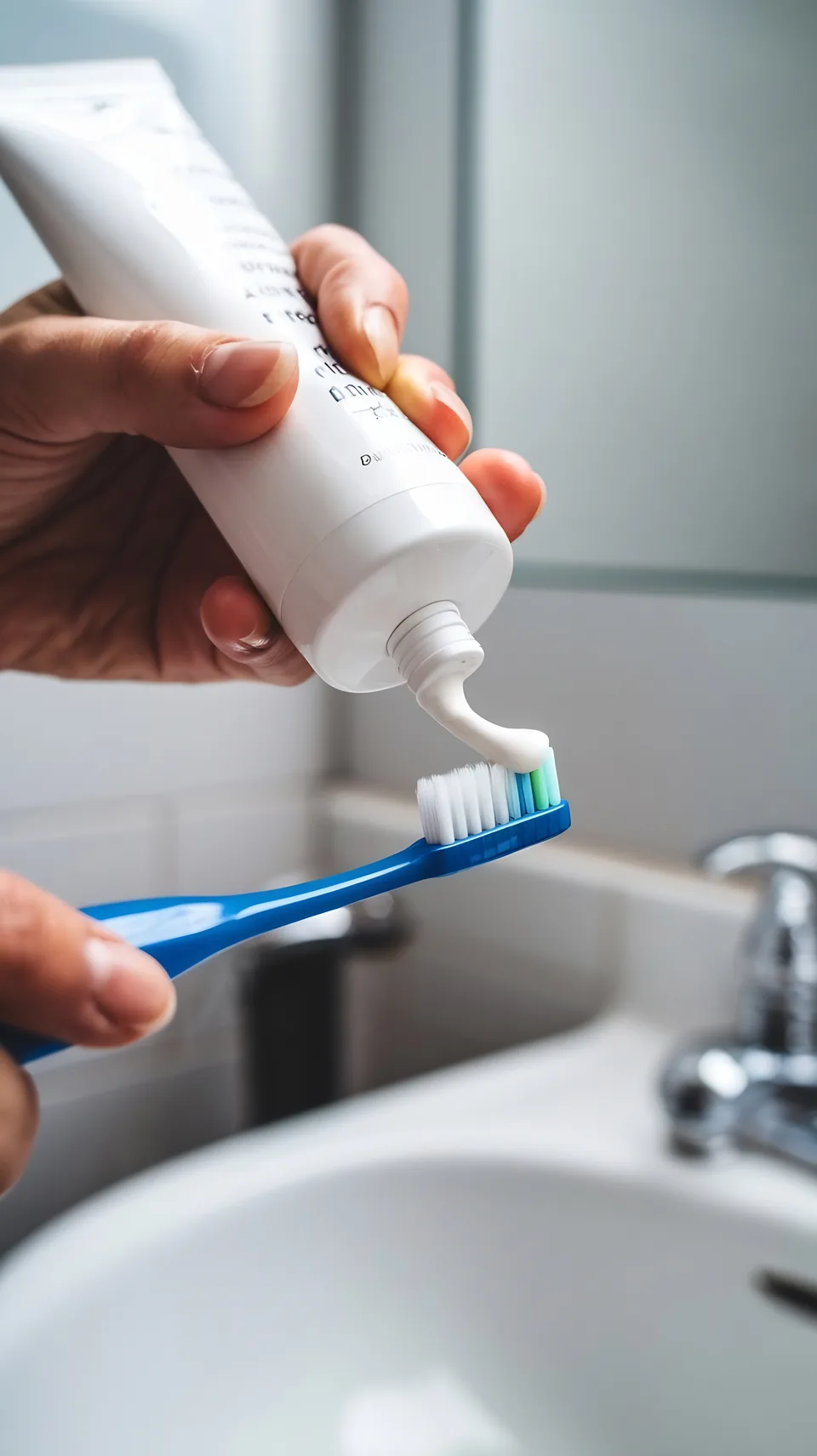
Morning and night, and with you finishing the job until they are old enough to do it unassisted.
Between the teeth is exactly where a brush does not reach and where the next cavity is most likely.
Regular professional cleanings remove what has already hardened and cannot be brushed away.
Avoid eating or drinking acidic or sugary foods and beverages between meals.
The Invitation
Decay left untreated can worsen, causing further infection and more severe pain. Contact Mason Park Dental for Kids in Katy, TX.