
Jun 23, 2026Braces and aligners7 min read
Invisalign or Braces: Pros, Cons, and What to Expect
Imagine standing in front of a mirror and finally deciding that it is time to improve your smile. Maybe your teeth have shifted over the years.
Read itBraces and aligners
Navigating dietary restrictions can be challenging for parents when their child begins using Invisalign.
Credentialed by





The Article
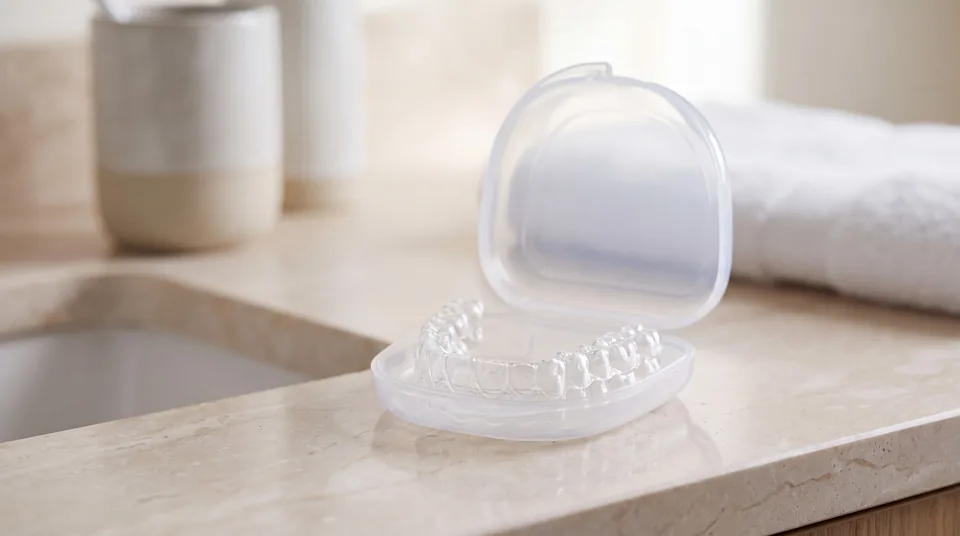
Navigating dietary restrictions can be challenging for parents when their child begins using Invisalign. Still, it is essential to ensure effective treatment and maintain oral health. Invisalign aligners offer a convenient and discreet option for teeth straightening. Still, they come with specific eating and drinking guidelines to prevent damage and staining.
Understanding these restrictions can help parents support their child’s dental journey while keeping their teeth healthy and strong. This blog will delve into the key dietary considerations during Invisalign treatment, helping you make informed decisions that suit your family’s lifestyle.
Invisalign is a modern dental treatment that uses a series of clear, removable aligners to gradually shift teeth into their desired positions. Each aligner is custom-made to fit snugly over the teeth, applying gentle pressure to move them over time. Unlike traditional braces permanently affixed to the teeth, Invisalign aligners can be removed, allowing flexibility in diet and oral hygiene. However, aligners should be worn for 20 to 22 hours per day for the treatment to be effective.
This means that while dietary choices are more flexible compared to traditional braces, there are still recommendations to follow. Foods and drinks should be consumed when aligners are removed to prevent damage and staining. Understanding these basic principles can help parents and children navigate dietary restrictions more effectively, ensuring that the treatment proceeds smoothly and delivers the desired results as indicated by top Invisalign providers atMason Park Dental for Kids, led byDr. Tam Nguyen.
Regarding Invisalign, dietary concerns often revolve around the timing and type of food and drink consumption. Foods that are sticky or hard, like caramel and popcorn, can strain the teeth and should be avoided even when aligners are off. Another important consideration is oral hygiene after meals. Brushing and flossing before reinserting the aligners is crucial to prevent plaque buildup and cavities.
Parents should also be aware of sugary and acidic beverages, which can lead to tooth decay if consumed frequently without proper cleaning. By understanding these common dietary concerns, parents can better support their child’s treatment plan and ensure that their Invisalign journey is effective and comfortable, as advised by the best Invisalign providers.
Sticky and chewy foods pose a significant risk when using Invisalign aligners. These types of foods can adhere to teeth and aligners, creating a perfect environment for plaque buildup and potential dental decay. Caramel, chewing gum, and gummy candies are prime examples that can easily become lodged in crevices, making it hard to clean thoroughly. Additionally, these foods can exert pressure on the aligners, potentially causing them to warp or crack. Removing aligners before consuming such foods is essential to prevent any damage. Even when aligners are off, it’s advisable to limit the consumption of sticky and chewy foods to protect overall dental health.
Hard and crunchy foods can be problematic for Invisalign users due to their potential to damage both teeth and aligners. Foods like nuts, popcorn, and hard candies can exert excessive pressure on teeth, which might lead to discomfort or even damage, such as chips and cracks when bitten into forcefully. Moreover, aligners are inadvertently worn while consuming these foods. In that case, they can crack or warp, which compromises their effectiveness in straightening teeth.
To prevent such issues, it is crucial to remove aligners before indulging in these snacks and to eat them in moderation. Even without aligners, caution is advised; breaking these foods into smaller pieces can mitigate the risk of dental harm.
Incorporating soft and easy-to-eat options into your child’s diet can significantly contribute to a smoother Invisalign experience. These foods minimize the risk of damage to the aligners and make it easier to maintain good oral hygiene. Foods like yogurt, scrambled eggs, ripe bananas, and cooked vegetables are not only gentle on the teeth but also nutritious. Soups and smoothies offer a versatile way to incorporate a variety of nutrients while being gentle on teeth undergoing treatment.
Ensuring that children maintain a balanced diet while undergoing Invisalign treatment is essential for their overall health and success in dental treatment. Nutritious alternatives that are both soft and satisfying can easily replace harder-to-eat items. Instead of crunchy raw vegetables, try steaming them to retain nutrients while making them gentler on teeth. Smoothies can be packed with fruits, leafy greens, and protein sources like yogurt or nut butters to provide a well-rounded nutrient profile.
Soft fruits like avocados and ripe berries are excellent choices that offer
vitamins and minerals without requiring much chewing. Whole grain pasta and rice dishes can also be enriched with soft-cooked vegetables and lean proteins for a complete meal. Swapping out crunchy snacks for softer, nutritious options ensures that children receive the necessary vitamins and minerals to support their growth and dental health while complying with Invisalign dietary recommendations. This approach helps sustain their treatment progress and well-being.
Meal planning is vital in supporting a child’s Invisalign treatment while ensuring they maintain a nutritious diet. Start by creating a weekly meal plan that includes a variety of soft and easy-to-eat foods. This helps in shopping efficiently and ensures that wholesome ingredients are always available. Incorporate meals that are quick to prepare, such as oatmeal for breakfast or a smoothie for a snack, which can be consumed without lengthy meal times away from aligners.
Batch cooking and preparing meals ahead of time can also be a lifesaver for busy families, reducing the need for last-minute food choices that might not align with Invisalign dietary guidelines. Encourage your child to participate in meal planning and preparation, empowering them to make healthier food choices. Parents can smoothly navigate dietary restrictions by focusing on practical meal planning and supporting their child’s dental journey while maintaining a balanced diet.
Navigating social situations while wearing Invisalign can be challenging, especially concerning food. Birthday parties, school events, and family gatherings often feature foods that might not align with Invisalign dietary recommendations. Preparing your child for these situations is key. Encourage them to carry a small dental kit, including a travel-sized toothbrush and floss, to quickly clean their teeth after eating. Before attending an event, discuss the available food options and identify aligner-friendly options.
Encouraging healthy habits is crucial for children using Invisalign, ensuring their treatment is effective and their oral health is maintained. Start by establishing a consistent routine for wearing and cleaning aligners, emphasizing the importance of brushing and flossing after each meal. This helps prevent cavities and ensures that the aligners remain clear and effective. Set reminders or use a timer to help your child remember to wear their aligners for the recommended 20 to 22 hours a day. Incorporate discussions about food choices, encouraging a preference for nutritious, soft foods that are easy to consume and gentle on their teeth.
Maintaining oral hygiene is a crucial component of long-term success with Invisalign treatment. Proper dental care ensures that both teeth and aligners remain clean and free from plaque buildup, which can lead to cavities and gum disease. Encourage your child to brush teeth thoroughly after every meal and snack before reinserting aligners. Use fluoride toothpaste to strengthen enamel and prevent decay. Flossing daily is also essential, as it removes food particles and plaque between teeth that brushing alone might miss. Consider introducing an antimicrobial mouthwash for an added layer of protection against bacteria. Regular dental check-ups are important to monitor oral health and address potential issues early.
Once Invisalign treatment concludes, certain dietary adaptations may still be necessary to maintain the results and ensure ongoing oral health. Initially, your child might be required to wear a retainer, which also comes with specific guidelines for eating and drinking. It’s important to continue practicing good oral hygiene habits, like brushing and flossing regularly, to prevent any lapse in dental care. Encourage your child to maintain a balanced diet that includes plenty of calcium-rich foods to support strong teeth and bones. While food restrictions are generally relaxed post-treatment, it’s wise to continue avoiding excessively sugary or acidic foods and drinks that can compromise dental health.
Successfully navigating dietary restrictions is crucial when your child is undergoing Invisalign treatment. Parents can ensure an effective dental journey and maintain their child’s oral health by understanding what foods to avoid and focusing on healthy, aligner-friendly options. With guidance from trusted Invisalign providers atMason Park Dental for Kids, led byDr. Tam Nguyen, thoughtful meal planning, and consistent healthy habits, your child can experience a smooth treatment process and achieve their desired results.
What happens if my child eats sticky or hard foods with Invisalign?
Sticky and hard foods can damage the aligners and may hinder treatment progress. It’s important to avoid these foods to maintain the effectiveness of the treatment.
How should my child clean their teeth after meals when using Invisalign?
Your child should brush and floss thoroughly before reinserting the aligners after every meal. This prevents plaque buildup and maintains oral hygiene.
Are there any drinks my child should avoid during Invisalign treatment?
Yes, sugary and acidic beverages should be avoided as they can cause tooth decay. Water is the safest option while wearing aligners.
How can I help my child manage dietary restrictions in social settings?
Prepare by discussing aligner-friendly food options at events and ensure your child has a dental kit for quick cleaning. Educating friends and family can also help foster a supportive environment.
________________________________________________________________
Read Next
Every post is written for a parent, not a dentist. The same topic first, then whatever was published nearest to this one.
Jun 23, 2026Braces and aligners7 min read
Imagine standing in front of a mirror and finally deciding that it is time to improve your smile. Maybe your teeth have shifted over the years.
Read it
Jun 23, 2026Braces and aligners9 min read
Life rarely slows down. Between work deadlines, school schedules, family responsibilities, social gatherings, sports activities, and personal commitments, finding time…
Read itMay 13, 2026Braces and aligners9 min read
Choosing between braces and Invisalign can feel surprisingly emotional. Most people begin the process thinking it will be simple. Then the questions start appearing.
Read itThe Invitation
A post is general by nature. The visit is about your child. Book one, and ask the front desk anything this page raised.