Imagine standing in front of a mirror and finally deciding that it is time to improve your smile. Maybe your teeth have shifted over the years. Perhaps crowding has always bothered you, or maybe your child is beginning a journey toward smiling, and you want to choose the right treatment. One of the most common questions patients ask at Mason Park Dental for Kids is simple: "Should I choose Invisalign or braces?"The answer is not always straightforward because every smile has different needs, goals, and lifestyle considerations. While both treatments are designed to improve tooth alignment and bite function, the experience can be very different.
Some patients prefer the convenience of removable clear aligners, while others feel more comfortable with traditional braces that stay in place throughout treatment. Both options have helped millions of people achieve healthier, more confident smiles. Understanding the advantages, limitations, and expectations of each treatment can help you make a more informed decision.
The Great Smile Debate
For decades, braces were the standard solution for straightening teeth. Metal brackets and wires guided teeth into better positions, creating remarkable transformations. Then, clear aligner technology changed the conversation. Today, many patients are choosing Invisalign aligners for comfortable teeth straightening because they offer a modern approach that fits easily into everyday life. The question is no longer whether teeth can be straightened. The question is which method fits your goals, schedule, and treatment needs.
What Makes Invisalign Different?
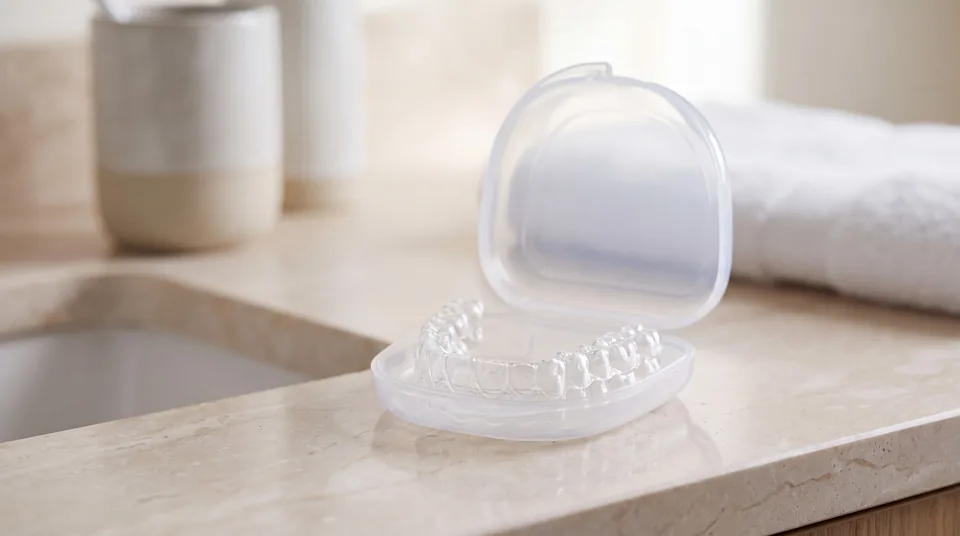
Rather than using brackets and wires, Invisalign relies on a series of precisely designed aligners that gradually guide teeth into their desired positions. Each patient receives custom Invisalign trays created using advanced digital technology. Every aligner is designed to make specific movements at specific stages of treatment. The result is a treatment experience focused on comfort, predictability, and convenience. One reason many patients appreciate Invisalign is the ability to achieve nearly invisible teeth alignment throughout treatment. The clear material allows people to smile, speak, attend meetings, participate in social activities, and take photos without drawing attention to their treatment.
At Mason Park Dental for Kids, many teens and adults appreciate the confidence that comes with a treatment option that blends naturally into daily life.
Why Traditional Braces Remain the Standard for Complex Cases
Braces have been the proven solution for severe tooth movements for over a century. Metal brackets bonded to your teeth connect to an archwire that applies steady, constant pressure to guide teeth into position. Because braces are fixed in place, they work continuously without depending on patient compliance. This makes them particularly effective for cases involving significant crowding, major bite corrections, or tooth rotations that require strong, consistent force. For complex dental cases, braces often provide more precise control than aligners. Orthodontists can fine-tune individual tooth movements throughout treatment, making adjustments that would be difficult with removable trays.
Treatment Time: Which Is Faster?
The timeline question usually comes down to this: "Which gets me results faster?" The honest answer is that both can achieve results in similar timeframes for straightforward cases. What differs is predictability and the type of movements required. Invisalign typically handles mild to moderate cases in 6 to 12 months. Braces handle more complex cases within 18 to 24 months. But a severe case requiring significant bone remodeling might take longer with either option. The most important factor is not choosing the fastest option. The goal should be choosing the option that provides the most predictable outcome for your unique smile.
Technology Has Changed Everything
Digital scanning and 3D modeling have revolutionized treatment planning for both Invisalign and braces. Orthodontists now map the entire tooth movement sequence before treatment starts, improving accuracy and patient confidence. With Invisalign, this digital approach means you see your expected result before committing. Braces allow for more precise bracket placement and treatment planning. Either way, modern technology gives you greater visibility into your treatment journey from start to finish. The Invisalign aligner treatment by Dr. Dave Cho uses modern planning tools that help patients better understand their smile journey from beginning to end.
Invisalign vs Braces: Which Is Right for Your Smile?
When it comes to straightening your teeth, choosing the right option is about more than just appearance; it’s about comfort, convenience, and achieving the results you want. Both Invisalign and traditional braces have their advantages, but understanding the differences can help you make an informed decision.
Invisalign
Invisalign has become a popular choice for those seeking a discreet and flexible approach to teeth straightening.
Advantages:
- Nearly invisible appearance, allowing you to smile confidently during treatment
- Smooth, comfortable design that avoids irritation from brackets or wires
- Digital treatment planning for precise, predictable results
- Predictable tooth movement with minimal surprises
- Convenient daily wear that fits your lifestyle
- A fully custom treatment experience tailored to your teeth
- Confidence during treatment thanks to the discreet design
- Modern technology-driven process for a streamlined journey
Potential Limitations:
- Requires consistent wear to achieve results
- Success depends on patient compliance
Braces
Traditional braces remain a trusted solution, especially for more complex dental cases.
Advantages:
- Highly effective for complex cases and significant corrections
- Continuous treatment activity without needing to remember wear schedules
- Reliable for moving teeth that require major adjustments
Potential Limitations:
- A more noticeable appearance, which can affect self-confidence for some
- Increased cleaning challenges around brackets and wires
- Potential irritation from brackets, wires, and adjustments
- Dietary restrictions to avoid damaging the appliance
- Discomfort following regular adjustments
- Longer treatment duration for minor movements compared to Invisalign
- Difficulty maintaining oral hygiene in certain cases
Both Invisalign and braces can deliver amazing results, but the right choice depends on your dental needs, lifestyle, and personal preferences. Scheduling a consultation with a trusted provider can help you determine which treatment will give you the best results for your smile.
How Dr. Dave Cho Helps Patients Decide
The decision between Invisalign and braces should never be based solely on trends.
Instead, it should be based on:
- Smile goals
- Bite concerns
- Lifestyle preferences
- Treatment complexity
- Long-term oral health
The Invisalign aligner treatment by Dr. Dave Cho begins with a detailed evaluation that focuses on understanding each patient’s unique needs. By reviewing digital scans, alignment concerns, and treatment objectives, patients receive personalized recommendations designed for the best possible outcome.
Key Takeaways
- Both Invisalign and braces are effective teeth-straightening solutions.
- Invisalign offers a discreet approach with nearly invisible teeth alignment.
- Braces remain highly effective for more complex tooth movement needs.
- Invisalign uses custom Invisalign trays designed through digital planning.
- Treatment success depends on consistency and professional guidance.
- The best choice depends on your smile goals, lifestyle, and dental needs.
- A personalized consultation helps determine the most suitable treatment path.
Frequently Asked Questions
1. Is Invisalign better than braces?Neither option is universally better. The ideal treatment depends on your individual alignment needs, bite concerns, and lifestyle preferences.
2. How long does Invisalign treatment usually take?Many Invisalign cases are completed within 6 to 18 months, although treatment duration varies with complexity.
3. Are Invisalign aligners comfortable?Most patients find them very comfortable. The smooth plastic material eliminates the irritation that brackets and wires can cause. Mild pressure with new aligners signals normal tooth movement. Discomfort typically fades within a few days as teeth adjust.
4. Can children and teens use Invisalign?Many teens are excellent candidates for Invisalign. A consultation can determine whether aligners are appropriate for their specific needs.
5. How do I know whether I need braces or Invisalign?A professional evaluation is the best way to determine which treatment will provide the safest and most predictable results for your smile.
Conclusion
Choosing between Invisalign and braces is not about finding a universally better option. It is about discovering the treatment that aligns with your goals, lifestyle, and dental needs. Both approaches have transformed countless smiles and continue to help patients achieve healthier alignment and greater confidence. The key is to work with a trusted dental provider who can carefully evaluate your situation and recommend a personalized path forward. Whether your journey leads to braces or Invisalign, the destination remains the same: a healthier, more confident smile that lasts for years to come.
Remember:Every smile tells a different story. The best treatment is the one designed around your unique needs, goals, and long-term oral health.