Jun 23, 2026Braces and aligners7 min read
Invisalign or Braces: Pros, Cons, and What to Expect
Imagine standing in front of a mirror and finally deciding that it is time to improve your smile. Maybe your teeth have shifted over the years.
Read itBraces and aligners
Clear aligners work quietly in the background, guiding teeth into better positions while fitting into daily routines.
Credentialed by





The Article
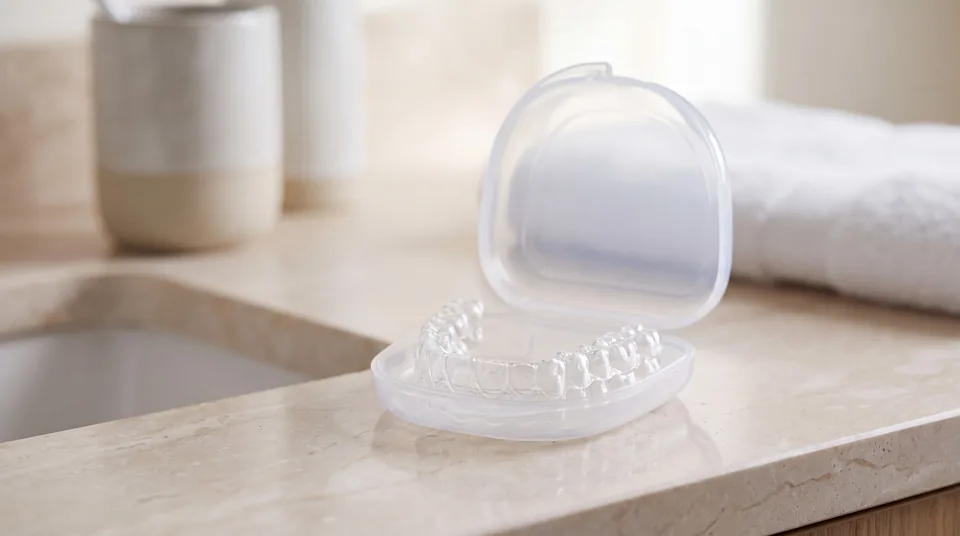
Clear aligners work quietly in the background, guiding teeth into better positions while fitting into daily routines. But their success depends on something many people overlook at first. Clean aligners. Invisalign trays stay in the mouth almost all day, which means they collect saliva, bacteria, and residue just like teeth do. If they are not cleaned properly, they can become cloudy, develop odors, or lose their smooth, fresh feel.
At Mason Park Dental for Kids led by Dr. Dave Cho, families often ask how to keep trays looking and feeling new throughout treatment. The good news is that aligner care does not need to be complicated or time consuming. With the right habits, cleaning becomes part of a simple daily rhythm. This blog walks you through the most effective and realistic ways to care for aligners while wearing them consistently, except during oral hygiene routines.
Rather than listing rigid rules, this guide focuses on practical routines that fit into busy schedules, school mornings, and family evenings. Clean trays support comfort, confidence, and consistent progress, making them an essential part of everyday aligner wear.
Aligners sit directly against teeth and gums for most of the day. When they are clean, they feel comfortable and smooth. When they are not, they can trap bacteria and odors that affect breath and overall oral freshness. Poor aligner care may also lead to visible buildup that makes trays look dull instead of clear.
Children and teens are especially active throughout the day, which makes consistency important. A strong Invisalign cleaning routine helps prevent common issues like staining, cloudy trays, and unwanted smells. Clean aligners also help maintain healthy gums and support the natural balance of the mouth while treatment continues.
Clean trays are not just about appearance. They help ensure aligners continue fitting as intended, without residue interfering with their snug feel. Keeping trays clean protects the investment families make in treatment and helps kids stay confident wearing aligners at school, during activities, and in social settings.
The best aligner care routines are the ones that are easy to repeat. Instead of thinking of cleaning as a separate chore, it helps to connect it with habits that already exist. Morning and evening oral hygiene routines are ideal times to care for aligners.
During these moments, gently rinsing aligners and cleaning them properly keeps buildup from forming. This approach aligns with Invisalign care instructions that emphasize consistency over intensity. Cleaning does not need harsh products or long soaking times. It needs regular attention.
A calm routine builds responsibility and confidence in kids, helping them understand that aligner care is part of caring for their smile. Over time, these habits become automatic, just like brushing and flossing.
Many families ask how to clean clear aligners without damaging them. The key is gentle care. Aligners are durable, but they are not meant for abrasive cleaning tools or harsh chemicals.
A soft toothbrush and clear, gentle soap are often enough to remove residue. Brushing aligners lightly during oral hygiene routines helps prevent buildup and keeps trays fresh. Lukewarm water is best, as hot water may affect aligner shape.
This method supports aligner hygiene tips recommended for long term wear. Cleaning should feel easy and quick, not stressful or complicated. When done daily, this approach keeps trays clear and comfortable throughout each stage.
Just as important as knowing what to do is knowing what not to do. Certain habits can shorten the lifespan of alignersor cause unwanted changes in appearance.
Avoid toothpaste with abrasive particles, as it may scratch trays and make them appear cloudy. Avoid soaking aligners in colored liquids, which may lead to staining. Avoid harsh chemicals that are not designed for oral appliances.
Preventing damage is part of a smart aligner maintenance guide. Treat aligners gently, just like you would treat eyeglasses or retainers. When kids understand this, they are more likely to handle trays carefully and responsibly.
Aligners are worn consistently throughout the day, except during oral hygiene. This means they are exposed to everything happening in the mouth. Drinking water regularly helps rinse away particles and keeps aligners feeling fresh.
Encouraging hydration is an easy way to support cleanliness. It also helps maintain comfort and reduces dryness. When trays stay clear, kids feel more confident wearing them without worrying about visibility or odor.
Prevent aligner discoloration by sticking to clear routines and gentle cleaning habits. Daily care prevents the need for aggressive cleaning later.
For younger wearers, aligner care works best when it feels simple and familiar rather than strict or overwhelming. Kids respond well to clear explanations that focus on everyday comfort instead of rules. When they understand that clean aligners feel smoother, smell fresher, and help their smile stay on track, they are more likely to take ownership of the routine.
Parents play an important role early on by modeling and guiding good habits. Gentle reminders during morning and evening oral hygiene routines help aligner care feel like a normal part of the day rather than an extra task. As children grow more confident, they can gradually take responsibility themselves, building independence in a positive way.
Small visual cues, such as a reminder note near the sink or a designated spot for aligner care items, can reinforce consistency without pressure. Occasional check ins work better than constant monitoring, allowing kids to feel trusted while still supported. When routines are calm and predictable, aligner care becomes automatic over time.
At Mason Park Dental for Kids led by Dr. Dave Cho, we believe care routines should fit naturally into family life, not disrupt it. When kids feel encouraged instead of corrected, they are more likely to stay consistent, develop confidence, and maintain healthy habits that support their smile throughout treatment and beyond.
Travel does not have to interrupt aligner care. Packing a small aligner care kit with a soft brush and gentle soap makes it easy to maintain routines away from home.
Consistency matters even during busy days. Maintaining an Invisalign cleaning routine while traveling helps trays stay fresh and comfortable. This prevents buildup and keeps wear uninterrupted.
Clean aligners help kids feel confident during trips, sleepovers, and school events. Simple preparation makes a big difference.
Good aligner care supports comfort, confidence, and consistency. Clean trays feel better, look better, and fit as intended. Over time, these benefits add up to a smoother experience and fewer interruptions.
Following clear aligner hygiene tips also supports oral health by reducing bacteria buildup. This helps maintain a balanced mouth environment throughout treatment.
Aligner care is not about perfection. It is about small, repeatable habits that support daily wear and long term success.
1. How often should aligners be cleaned? Aligners should be cleaned during every oral hygiene routine to prevent buildup and keep them fresh.
2. Can aligners be cleaned with regular soap? Yes, gentle clear soap and a soft brush work well for daily cleaning.
3. What causes aligners to look cloudy? Cloudiness often comes from residue or abrasive cleaning products.
4. How can aligners stay fresh during school days? Staying hydrated and maintaining daily cleaning routines helps keep trays fresh.
5. Is soaking aligners necessary? Soaking is optional and should only be done with products designed for aligners.
Keeping Invisalign trays clean is not about adding extra rules to your day. It is about supporting a routine that already exists and making sure aligners continue to feel comfortable, look clear, and fit the way they are meant to. When cleaning becomes a simple daily habit, aligner wear feels easier and more natural, especially for kids and teens balancing school, activities, and social time.
Consistent care helps trays stay fresh throughout treatment and reduces the chances of buildup, discoloration, or odor. More importantly, it helps children feel confident wearing aligners in everyday situations without worrying about how they look or feel. Clean aligners quietly support steady progress while allowing life to continue as normal.
At Mason Park Dental for Kids led by Dr. Dave Cho, the goal is to make aligner care realistic, manageable, and stress free for families. With gentle cleaning habits and a steady routine, Invisalign trays can stay clear and comfortable from the first day to the final set, helping every smile move forward with confidence.
Remember:Clean aligners support consistent wear and everyday confidence. Small daily habits protect trays and help treatment stay comfortable and smooth.
Read Next
Every post is written for a parent, not a dentist. The same topic first, then whatever was published nearest to this one.
Jun 23, 2026Braces and aligners7 min read
Imagine standing in front of a mirror and finally deciding that it is time to improve your smile. Maybe your teeth have shifted over the years.
Read it
Jun 23, 2026Braces and aligners9 min read
Life rarely slows down. Between work deadlines, school schedules, family responsibilities, social gatherings, sports activities, and personal commitments, finding time…
Read itMay 13, 2026Braces and aligners9 min read
Choosing between braces and Invisalign can feel surprisingly emotional. Most people begin the process thinking it will be simple. Then the questions start appearing.
Read itThe Invitation
A post is general by nature. The visit is about your child. Book one, and ask the front desk anything this page raised.