
Jun 23, 2026Braces and aligners7 min read
Invisalign or Braces: Pros, Cons, and What to Expect
Imagine standing in front of a mirror and finally deciding that it is time to improve your smile. Maybe your teeth have shifted over the years.
Read it
Braces and aligners
Retainers have long been seen as the final step in dental treatment, worn after braces to lock in a newly straight smile.
Credentialed by





The Article
Retainers have long been seen as the final step in dental treatment, worn after braces to lock in a newly straight smile. Today, innovative retainer designs allow for gentle adjustments without ever needing metal brackets or wires. If you’ve noticed slight shifts in your teeth or simply want to prevent future drifting, a retainer-first approach can deliver subtle yet meaningful results. This guide explains how clear trays can guide teeth comfortably and discreetly, highlighting what makes them effective and who can benefit.
Retainers are custom-made devices that fit snugly over your teeth. Crafted from transparent medical-grade plastic, they apply a controlled pressure that encourages teeth to move toward a planned position. This movement occurs through carefully calibrated stages, each tray in the series nudging teeth fractionally closer to their ideal alignment. Such trays are ideal when the adjustments needed are minor, saving time, cost, and daily inconvenience compared to traditional braces or full clear-aligner systems.
Modern families at Mason Park Dental for kids frequently explore retainers for mild corrections. By choosing retainers for minor teeth movement with Dr. Dave Cho, patients unlock a treatment path that focuses on simplicity and comfort. Each tray is engineered to slide on with ease, reducing the initial tightness to a gentle reminder rather than a source of pain.
The journey begins with a digital scan that captures every contour of your teeth. Advanced software transforms this data into a three-dimensional roadmap, plotting precise movements. Each tray is then manufactured to exacting specifications. As you wear each tray for the prescribed duration, usually most of the day and night, the tray applies light, continuous force. When it’s time to switch to the next tray, you’ll notice the teeth have shifted slightly-often barely perceptible to the eye, yet cumulatively significant over time.
This method-known as retainer-only teeth straightening with Dr. Dave Cho-delivers predictable outcomes for mild alignment concerns. Because every movement is mapped digitally before it happens, patients can preview their smile’s transformation on screen. This transparency fosters engagement and confidence, encouraging consistent wear and adherence to the schedule.
A retainer-based plan suits anyone whose alignment concerns are limited in scope. Ideal scenarios include a slightly tilted front tooth that affects speech or bite, minor crowding that complicates flossing, or small gaps that undermine smile symmetry. Teens and young adults often appreciate the discretion that clear trays provide, seamlessly fitting into social and professional settings. Parents of active children enjoy the removable nature, allowing for worry-free participation in sports and music recitals.
Those seeking prevention after wisdom tooth removal also find value. As back teeth come out, the front segments can shift, leading to crowding. By embracing using retainers without braces by Dr. Dave Cho right after removal, patients maintain their original alignment and avoid future complications.
Not all clear trays are identical. At Mason Park Dental for kids we discuss clear retainer options explained by Dr. Dave Cho, ensuring each patient selects the device that matches their comfort preferences and movement requirements. Some trays prioritize flexibility, ideal for very slight shifts. Others offer increased rigidity, delivering stronger forces when needed. Hybrid models incorporate a slender wire embedded within the plastic, targeting rotations that resist simple pressure. Each design blends clarity and strength so that trays remain virtually invisible in photographs and daily life.
Choosing the right option involves considering lifestyle factors. Students appreciate trays they can remove before exams and quickly rinse. Professionals value the nearly undetectable look during meetings and presentations. Athletes count on a design that can be taken out for contact sports and swiftly replaced, reducing the risk of damage.
Incorporating clear trays into your routine is straightforward. Cleaning is as simple as brushing your teeth and rinsing the trays under cool water. A weekly soak in a gentle, non-abrasive cleanser keeps them fresh and odor-free. Because trays cover teeth entirely, they also help guard against enamel wear during night grinding, offering a dual purpose.
Children and teens adapt quickly, often seeing progress by the first follow-up visit. Parents report fewer struggles with oral hygiene compared to braces, as flossing remains unencumbered by wires. Professionals find no interruption to their polished image, and adults appreciate a treatment path that feels more like maintenance than major reconstruction.
Subtle changes in tooth position can go unnoticed until they begin affecting function. If you find floss catching more easily, or if a single tooth feels out of sync with its neighbors, these are clues that slight movements are underway. Bite changes, like a sensation of uneven pressure when chewing, also point to alignment shifts. Rather than waiting for these minor issues to escalate, early intervention with a retainer series can restore balance and prevent more extensive work later.
By opting for retainer-only teeth straightening with Dr. Dave Cho at Mason Park Dental for kids, you gain the peace of mind that comes with targeted action at the first sign of change. Acting while movements remain small ensures a shorter treatment timeline and diminishes the chance of requiring full braces down the road.
Following your scan and plan, your first tray arrives. Initial wear might bring a gentle snugness, but this sensation typically subsides within a few days. As trays are replaced in sequence, each new one may deliver a brief reminder of its presence. Progress checkups every month or so involve quick visual assessments and photo updates. You’ll receive the next set of trays and guidance on any adjustments to wear time.
The cumulative effect of these small stages leads to significant improvement by month three or four. For most mild cases, treatment completes between four and six months. Once teeth settle into their new positions, a final retainer designed for long-term holding locks in your results. At that point, nighttime wear often suffices to maintain alignment indefinitely.
Traditional braces and full-scale clear aligner systems still hold a vital role for complex cases. They excel when major tooth movements are needed or bite corrections require coordinated shifts across multiple planes. However, when the goal is modest-such as refining a few teeth or preventing relapse-a retainer strategy can match efficiency with cost savings. By embracing retainers for minor teeth movement with Dr. Dave Cho at Mason Park Dental for kids, patients enjoy a treatment path that prioritizes simplicity, comfort, and discretion.
Moreover, fewer office visits and reduced need for emergency adjustments translate into less disruption. No broken brackets, no popped wires and no mid-treatment surprises. Patients trade the unpredictable for the predictable-each tray milestone unfolding on its digital roadmap.
Once treatment concludes, night-only wear of a holding retainer safeguards your success. Occasional daytime use provides extra reassurance during high-risk periods, such as after wisdom tooth procedures. Regular checkups every six to twelve months let us confirm your smile remains stable. In a world where small changes can lead to big effects, ongoing vigilance pays dividends, locking in your investment in oral health and confidence.
1.Can clear retainers actually move teeth, or do they only hold them in place? Yes. Modern clear trays apply gentle, calibrated pressure in tiny increments-each tray shifts teeth according to a pre-mapped digital plan, so they actively guide movement, not just maintain it.
2.Will anyone notice I’m wearing clear retainers? Most patients find their trays blended with natural tooth color and become virtually invisible. Whether speaking in person or in photos, clear retainers stay discreet.
3.What types of clear retainers are available, and how do I choose the right one? You can select from ultra-thin flexible trays, firmer precision trays, or hybrid trays with embedded wires. Dr. Dave Cho at Mason Park Dental for kids will explain clear retainer options explained by Dr. Dave Cho and help you pick the design that balances comfort and effectiveness.
4.Does dental insurance cover a retainer-only treatment plan? Many insurance policies include minor tooth-movement coverage. Our team will verify your benefits related to retainers for minor teeth movement with Dr. Dave Cho, assist with claims, and provide a clear cost estimate.
5.How long do I need to wear my clear retainers each day? Typically, trays are worn 20 to 22 hours daily during active treatment-usually three to six months-and then switched to night-only wear to maintain your new alignment.
By selecting retainer-first treatment, you opt for a modern approach that respects your time, budget, and lifestyle. Each step is designed to blend seamlessly with daily routines, ensuring high satisfaction and predictable outcomes.
Remember:Retainers are no longer just an afterthought. For mild alignment needs, they can lead the way. Through retainer-only teeth straightening with Dr. Dave Cho and clear retainer options explained by Dr. Dave Cho, patients achieve subtle improvements without traditional braces. If you’ve noticed small shifts or simply want to prevent future movement, a retainer plan could be the best first step toward preserving and enhancing your smile.
Read Next
Every post is written for a parent, not a dentist. The same topic first, then whatever was published nearest to this one.
Jun 23, 2026Braces and aligners7 min read
Imagine standing in front of a mirror and finally deciding that it is time to improve your smile. Maybe your teeth have shifted over the years.
Read itJun 23, 2026Braces and aligners9 min read
Life rarely slows down. Between work deadlines, school schedules, family responsibilities, social gatherings, sports activities, and personal commitments, finding time…
Read it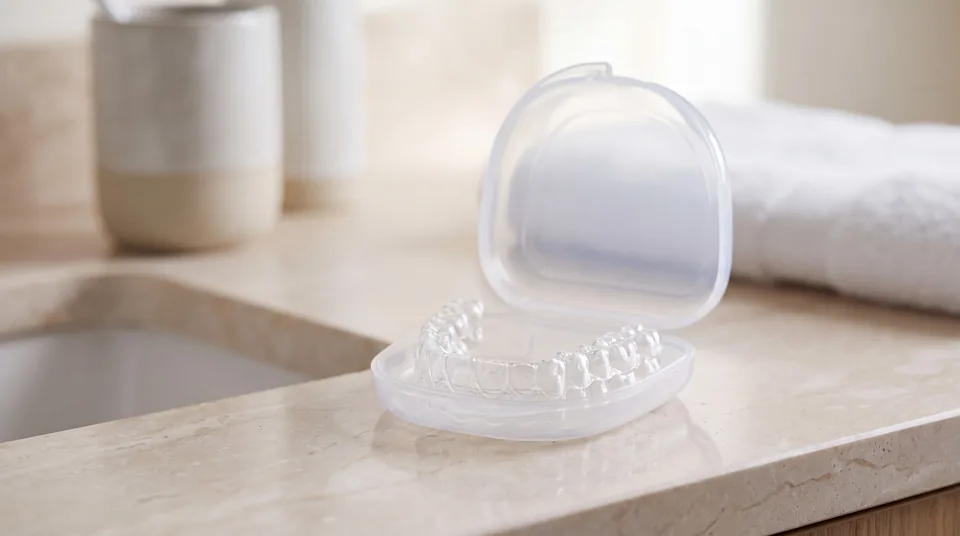
May 13, 2026Braces and aligners9 min read
Choosing between braces and Invisalign can feel surprisingly emotional. Most people begin the process thinking it will be simple. Then the questions start appearing.
Read itThe Invitation
A post is general by nature. The visit is about your child. Book one, and ask the front desk anything this page raised.