
Skip to content
21830 Kingsland Blvd #104B, Katy TXMon & Wed 9-6 · Tue & Thu 8-5 · Fri to Sun closed(281) 578-7100
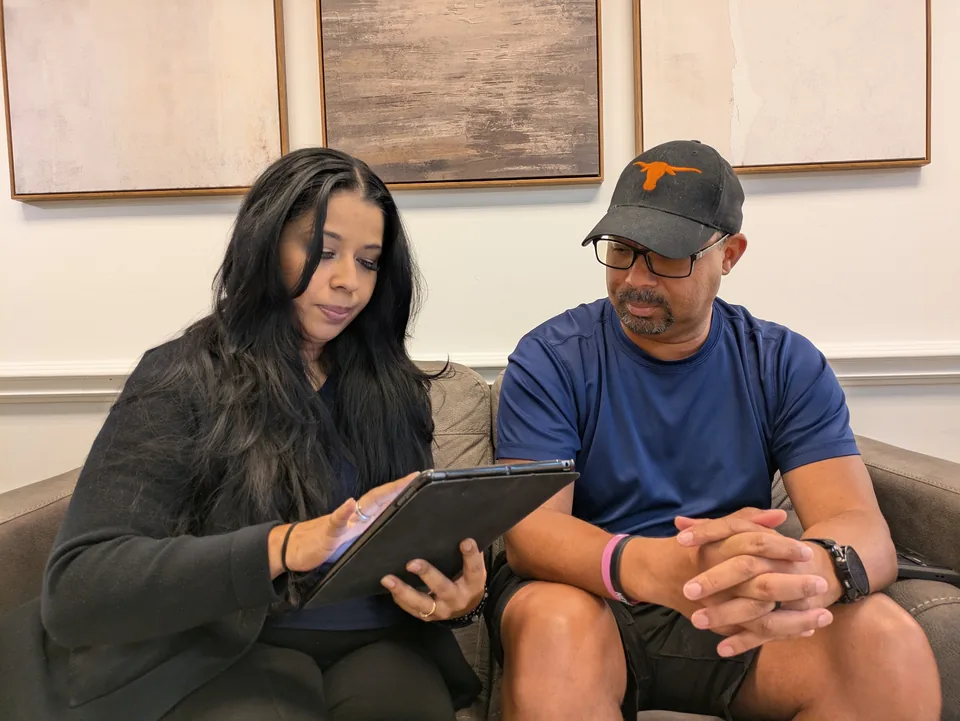
Dr. Nguyen beside a smiling child in a treatment room

The visit

Why choose a pediatric dentist over a general dentist?

When it comes to your child’s oral health, choosing the right provider is paramount.

May 2025Published
7 minutesReading time
Mason Park Dental for KidsWritten by

Credentialed by

  • American Board of Pediatric Dentistry, board certified
  • American Academy of Pediatric Dentistry
  • Academy of General Dentistry
  • Kois Center
  • Seattle Study Club

When it comes to your child’s oral health, choosing the right provider is paramount. While general dentists are trained to treat patients of all ages, pediatric dentists undergo an additional two to three years of specialized training focused solely on children’s unique dental needs. From infancy through adolescence, pediatric professionals are equipped to deliver gentle, age-appropriate care that sets the foundation for lifelong oral health. In this blog, we’ll explore the distinct advantages of pediatric dental care for lifelong oral health with Dr. Tam Nguyen, examine how Dr.

Tam Nguyen’s approach to child-friendly dentistry fosters positive experiences, and help you understand why specialized pediatric care often leads to better outcomes than general practice.

What Is Pediatric Dentistry?

Pediatric dentistry is a dental specialty dedicated to the oral health of children from birth through their teenage years. Unlike general dentists, pediatric dentists complete additional residency training focused on:

  1. Child Growth and Development From the eruption of the first tooth to the transition into permanent dentition, pediatric dentists monitor not just cavities but the very framework of your child’s smile. By tracking craniofacial growth, they can:
  • Spot early signs of malocclusion (misaligned bites) and recommend interceptive dentistry when it’s most effective.
  • Assess jaw and facial symmetry, referring to professionals if airway issues or TMJ concerns arise.
  • Time preventive treatments (like sealants) to coincide with the arrival of key molars, maximizing protection when it’s needed most.
  1. Behavior Management A child’s first dental visits set the tone for a lifetime of oral health. Pediatric professionals use proven techniques to build trust and minimize fear:
  • Tell-Show-Do: Explaining procedures in kid-friendly language, demonstrating instruments on a model, then proceeding only when the child feels comfortable.
  • Positive Reinforcement: Praising bravery and even offering small rewards (stickers, “bravery badges”) to encourage cooperation.
  • Parental Involvement: Teaching caregivers how to frame dental visits positively, so children arrive confident rather than anxious.
  1. Preventive Strategies Stopping problems before they start is at the heart of pediatric dentistry. Beyond routine cleanings, these proactive measures include:
  • Fluoride Varnishes: A high-concentration fluoride coating applied to strengthen enamel and ward off decay.
  • Dental Sealants: Thin, protective coatings placed in the grooves of molars to block bacteria from settling in hard-to-clean crevices.
  • Dietary Counseling: Guiding families on tooth-friendly nutrition, limiting sugary drinks, choosing whole fruits over juices, and timing snacks to reduce acid attacks on enamel.
  1. Special Needs Care Children with medical, developmental or emotional challenges often require tailored approaches:
  • Sensory-Sensitive Protocols: Adjusting lighting, sound, and tactile stimuli for kids with autism spectrum disorders or sensory processing issues.
  • Collaborative Treatment Plans: Coordinating with pediatricians, speech therapists or occupational therapists to ensure dental care fits into each child’s broader health plan.
  • Adaptive Equipment: Using specialized mouth props, behavior-guidance techniques or even gentle sedation when necessary to deliver safe, effective treatment.

Specialized Training and Expertise

  1. Residency in Pediatric Dentistry (24 to 36 months) After earning their DDS or DMD, a pediatric dentist enters a two- to three-year residency devoted entirely to young patients. During this time they:
  • Master Child Psychology: Learn how children think and feel at every developmental stage, allowing for gentle, age-appropriate communication that turns tears into smiles.
  • Refine Sedation Techniques: Get hands-on experience administering everything from nitrous oxide (“laughing gas”) to general anesthesia, ensuring safe, comfortable visits for even the most anxious child.
  • Develop Advanced Preventive Care Protocols: Dive deep into sealant application, fluoride varnishes, habit-breaking appliances, and early interceptive dentist that can literally change growth trajectories and prevent future problems before they start.
  1. Continuing Education, Always Staying Ahead Pediatric dentistry is a rapidly evolving field. To keep pace, experts like Dr. Tam Nguyen attend regular courses and workshops on topics such as:
  • New Biomaterials: High-tech restorative materials formulated specifically for baby teeth that withstand biting forces and resist decay.
  • Digital Behavior-Management Tools: From virtual reality distraction to gamified oral-health apps, the latest tech helps kids leave with good memories (and cleaner teeth).
  • Updated Clinical Guidelines: Incorporating the newest recommendations from the American Academy of Pediatric Dentistry on everything from infant oral care to managing special-needs patients.
  1. Board Certification, Proof of Peak Proficiency While board certification isn’t mandatory everywhere, many pediatric dentists pursue it to demonstrate the highest level of commitment and skill. To earn this credential, they must:
  • Pass a Rigorous Written Exam: Covering all facets of pediatric oral health, from growth & development to sedation safety.
  • Undergo an Oral Clinical Examination: Present real-world cases and treatment plans to a panel of seasoned pediatric dental experts.
  • Maintain Their Certification: Through continued education and periodic re-testing, ensuring their knowledge never grows stale.

Creating a Child-Friendly Environment

A welcoming, fun atmosphere can transform dental visits from daunting to delightful. Pediatric offices often feature:

  • Vibrant décor and distractions: Bright colors, games, and videos that engage young minds.
  • Child-sized equipment: Smaller chairs and instruments designed for comfort.
  • Friendly, trained staff: Team members skilled in communicating with children in a reassuring manner.

At Mason Park Dental for Kids, our office is designed around the concept of Pediatric dental care for lifelong oral health with Dr. Tam Nguyen, ensuring that every child feels safe and valued from the moment they walk in.

Behavioral Management Techniques

Fear of the dentist is common among children, but pediatric dentists use proven strategies to ease anxiety:

  • Tell-Show-Do: Explaining procedures, demonstrating them on a model, then performing the treatment on the child.
  • Positive Reinforcement: Praising cooperative behavior and offering small rewards like stickers or toys.
  • Distraction Methods: Utilizing storytelling, guided imagery, or digital entertainment during procedures.

This compassionate approach is central to Dr. Tam Nguyen’s approach to child-friendly dentistry, helping children build trust and develop positive associations with dental care.

Preventive Focus for Lasting Health

Preventing problems before they start is a hallmark of pediatric dentistry:

  • Early Exams: First visits by age one to monitor eruption patterns and detect issues early.
  • Fluoride and Sealants: Application of varnish and protective coatings on molars to reduce decay risk.
  • Diet and Hygiene Education: Guidance for parents on healthy snack choices and proper brushing techniques.

By emphasizing prevention, pediatric dentists ensure that children enjoy the Benefits of seeing Dr. Tam Nguyen for children’s dentistry, reducing the need for more extensive treatments later on.

In sports, timing and specialized coaching can make or break a season. In Game 4 of the 2025 Western Conference semifinals, the Minnesota Timberwolves defeated the Golden State Warriors 117 to 110, taking a commanding 3 to 1 lead and highlighting the risk of relying solely on star power without professionals support. Without Stephen Curry on the court, role players struggled to maintain offensive consistency, underscoring how a team, even one stocked with talent, can falter without the right specialized strategy and preparationSan Francisco Chronicle.

Similarly, choosing a pediatric dentist provides your child with a specialized “playbook” tailored to their developmental stage and dental needs, ensuring they’re never left vulnerable to decay or anxiety.

Comparing Pediatric vs. General Dentistry

Aspect Pediatric Dentist General Dentist
Training 2 to 3 years additional residency in child-focused care Broad scope; no specialized pediatric residency
Office Environment Child-centric design, staff trained in child psychology Adult-oriented settings
Behavior Management Techniques like tell-show-do and positive reinforcement Limited child-specific behavior strategies
Preventive Emphasis Early exams, sealants, fluoride varnish Preventive care, but less focus on very young patients
Special Needs Expertise Skilled in treating medically or developmentally complex cases May refer out for severe cases

Considerations Before Choosing a Provider

  • Insurance and Cost: Pediatric dental visits may vary in cost, but most insurances, including PPO plans, cover preventive care for kids.
  • Location and Accessibility: Ensure the office is convenient for regular visits.
  • Parent Involvement: Pediatric dentists often include parents in the process, empowering families with education and support.

For parents seeking truly Gentle dental care for kids with Dr. Tam Nguyen, Mason Park Dental for Kids offers transparent pricing, convenient scheduling, and a commitment to partnering with families every step of the way.

Key Takeaways

  • Pediatric dentists complete specialized training focused exclusively on children’s oral health.
  • A child-friendly environment and behavior management techniques reduce anxiety and improve experiences.
  • Preventive strategies (sealants, fluoride) are prioritized to safeguard lifelong oral health.
  • Specialized care from Dr. Tam Nguyen leads to better outcomes than general practice for young patients.
  • Relating to the NBA example, just as teams rely on best coaching for peak performance, kids thrive under pediatric-specific guidance.

FAQs

1.At what age should my child first see a pediatric dentist? A. By their first birthday or within six months of the first tooth erupting, whichever comes first.

2.Can a pediatric dentist handle dental emergencies for children? A. Yes, pediatric professionals are trained in managing trauma, loose teeth, and pain relief for young patients.

3.Are sealants safe for kids? A. Absolutely. Sealants are a quick, painless application that protects molars from decay.

4.How often should my child visit a pediatric dentist? A. Generally, every six months for cleanings and exams, unless otherwise recommended.

5.Will pediatric dental visits be covered by my insurance? A. Most dental insurance plans cover preventive visits for children; our office will verify benefits before treatment.

Remember:Choosing a pediatric dentist is an investment in your child’s future, one that pays dividends through confident smiles, healthier mouths, and positive lifelong dental habits.

Read Next

Three more, on the same shelf.

Every post is written for a parent, not a dentist. The same topic first, then whatever was published nearest to this one.

The Invitation

Questions the article did not answer? Bring them.

A post is general by nature. The visit is about your child. Book one, and ask the front desk anything this page raised.
Hours
Mon and Wed 9am to 6pm
Tue and Thu 8am to 5pm
Fri to Sun Closed
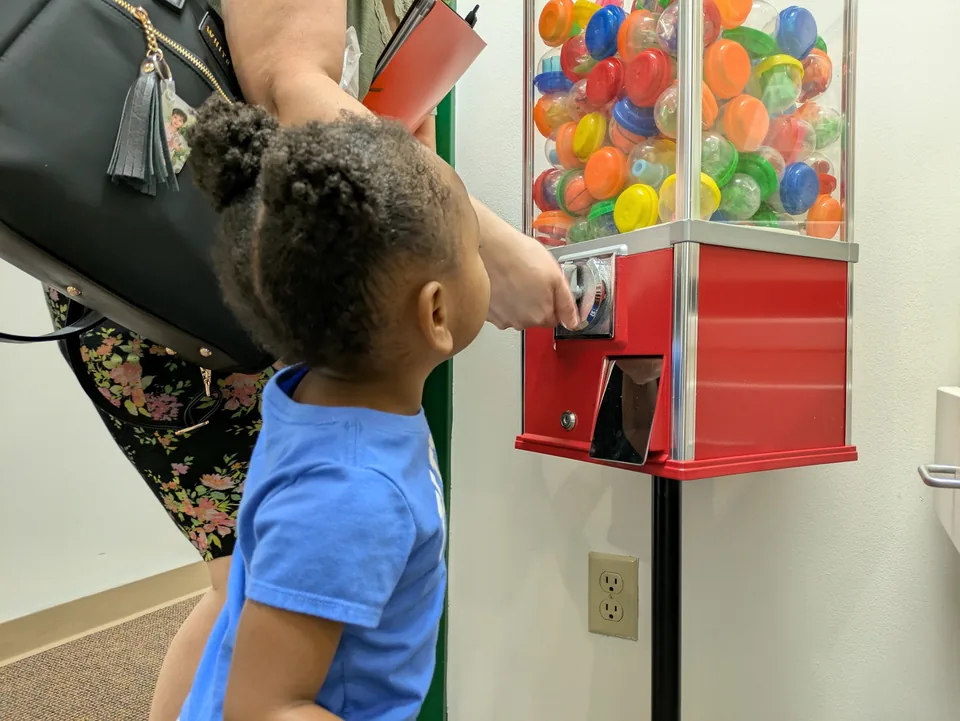
A toddler reaching for the gumball machine by the front desk
By the front desk. Suite 104B, behind the Ranch 99 complex.
Get directions
Call (281) 578-7100