
Jun 23, 2026The visit8 min read
Why Regular Visits to a Kids’ Dentist Matter
A child’s smile tells a story. It reflects confidence, growth, happiness, and health.
Read it
The visit
A child’s smile is one of the most precious things parents cherish.
Credentialed by





The Article
A child’s smile is one of the most precious things parents cherish. From the excitement of the first baby tooth to the confidence of a bright teenage smile, every stage of dental development plays an important role in a child’s overall health and well-being. Yet many parents wonder if they are doing enough to protect their child’s teeth. Is brushing twice a day enough? When should the first dental visit happen? How can cavities be prevented before they become a problem?
The truth is that healthy smiles do not happen by chance. They are built through consistent habits, professional guidance, and timely preventive care. Modern pediatric dental care focuses on helping children maintain healthy teeth while making dental visits comfortable and enjoyable.
At Mason Park Dental, the goal is not simply treating dental concerns when they arise. The focus is on helping children develop lifelong oral health habits through comprehensive children’s dental care services, regular examinations, and preventive strategies tailored to growing smiles.
This guide explores how pediatric dental clinic care helps protect children’s oral health and why early attention can make a lasting difference.
Children’s oral health affects much more than their teeth. Healthy teeth help children chew food properly, speak clearly, smile confidently, and participate comfortably in everyday activities. Dental problems can affect school attendance, concentration, sleep quality, and overall quality of life.
Baby teeth serve several important purposes:
When baby teeth develop cavities or become infected, the effects can extend beyond the mouth. This is why professional dental care should begin early and continue throughout childhood.
Regular dental monitoring allows potential concerns to be identified before they become larger issues requiring extensive treatment.
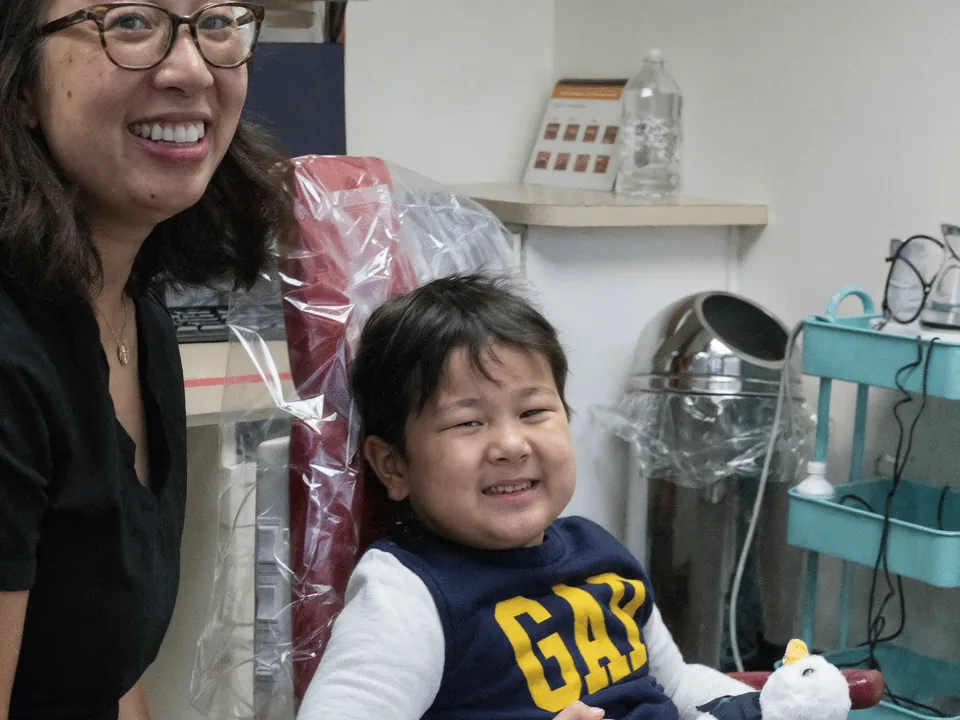
Think about a child’s first experience at a dental office. If the environment feels welcoming, friendly, and comfortable, children are more likely to develop positive feelings about dental care. Those early experiences often shape their attitudes toward oral health for years to come.
Many parents wait until a child experiences discomfort before scheduling an appointment. Unfortunately, this approach can create anxiety because the first visit becomes associated with pain or treatment. Instead, introducing children to dental care early allows them to become familiar with the office, the dental team, and routine checkups in a relaxed setting. Positive experiences encourage cooperation, reduce fear, and help children feel comfortable discussing their oral health as they grow.
One of the greatest advantages of modern pediatric dentistryis the emphasis on prevention. Preventive care focuses on stopping problems before they start rather than treating them after damage occurs.
Comprehensive preventive care for kids’ teeth includes:
Routine exams help monitor tooth development, jaw growth, bite alignment, and overall oral health.
These visits allow dentists to identify concerns at their earliest stages when solutions are often simpler and more comfortable.
Even children who brush regularly can develop plaque buildup in difficult-to-reach areas.
Professional cleanings remove plaque and tartar while helping children learn proper brushing techniques.
Children and parents benefit from guidance on:
Education empowers families to maintain healthy habits between appointments.
Imagine a typical day in the life of a child’s teeth. Breakfast may include cereal, fruit juice, or pancakes. Snacks might consist of crackers, fruit snacks, or sports drinks. Lunch, dinner, and occasional treats all expose teeth to sugars and acids. Every time a child eats, bacteria in the mouth interact with food particles, producing acids that can weaken enamel.
Fortunately, healthy habits help protect developing teeth:
These simple practices create a strong defense against tooth decay and gum problems.
One of the most effective tools in pediatric dentistry is fluoride. Professional fluoride treatments for children help strengthen enamel and make teeth more resistant to cavity-causing acids.
Fluoride works by:
Professional fluoride applications are quick, safe, and commonly recommended as part of preventive dental care. For many children, fluoride treatments provide an additional layer of protection during critical years of dental development. Parents often appreciate that this preventive measure requires only a few minutes but can provide lasting benefits.
Children’s nutrition directly influences oral health. Growing teeth require essential nutrients to develop properly and remain strong.
Foods that support healthy smiles include:
Milk, cheese, and yogurt provide calcium and phosphorus that help strengthen teeth.
Crunchy produce encourages saliva production and helps clean teeth naturally.
Protein supports overall growth and tissue health.
Water rinses away food particles and helps maintain a healthy oral environment.
At the same time, limiting frequent exposure to sugary drinks and sticky snacks can significantly reduce cavity risk. The goal is not perfection but balance. Helping children develop healthy eating habits contributes to both oral and overall wellness.
Every child develops at their own pace, but certain milestones help dentists monitor growth.
These include:
Routine dental evaluations help ensure development is progressing appropriately. Monitoring these changes allows dentists to identify concerns early and recommend solutions when necessary. Parents often appreciate understanding what to expect as their child’s smile evolves through different stages of growth.
One of the greatest gifts parents can give their children is a positive relationship with oral health. Children learn through repetition and example.
Helpful strategies include:
Use songs, timers, colorful toothbrushes, or reward charts to encourage consistency.
Children are more likely to brush and floss when they see parents doing the same.
Morning and bedtime routines help make oral care automatic.
Positive reinforcement encourages children to continue healthy habits.
These simple approaches can transform dental care from a chore into a natural part of daily life.
Regular children’s dental visits with Dr. Tam Nguyen provide families with ongoing support, education, and preventive care tailored to each child’s needs.
Every child is unique. Some may need additional strategies to prevent cavities. Others may benefit from guidance regarding oral habits, growth monitoring, or home care routines.
Routine visits allow Dr. Nguyen and the dental team to:
These visits help build trust while ensuring children receive consistent care throughout their developmental years.
Dental anxiety can affect children of all ages. Fortunately, there are many ways to make appointments more comfortable.
Parents can help by:
A child-friendly dental environment also plays an important role in creating positive experiences. When children feel safe and supported, they are more likely to cooperate and develop confidence during future visits.
Modern pediatric dental care considers more than just cavities. Oral health is connected to overall wellness.
Healthy teeth support:
By prioritizing preventive care and routine monitoring, families invest in both immediate and long-term health benefits. Every healthy smile contributes to a healthier child.
Know more aboutInvisaligndental care for kids!
1. At what age should my child have their first dental visit?Most dental professionals recommend scheduling a child’s first dental visit by their first birthday or within six months of the first tooth appearing.
2. How often should children visit the dentist?Most children benefit from routine dental checkups every six months. However, recommendations may vary based on individual oral health needs.
3. Are fluoride treatments safe for children?Yes. Professional fluoride treatments are widely used and considered safe when administered by dental professionals. They help strengthen enamel and reduce the risk of cavities.
4. Why is early cavity detection important?Early cavity detection allows dental concerns to be addressed before they become larger problems, often resulting in simpler and more comfortable treatment.
5. What can parents do to help prevent cavities at home?Parents can encourage brushing twice daily, regular flossing, healthy eating habits, water consumption, and routine dental visits to support strong oral health.
Healthy smiles do not happen overnight. They are built through daily habits, preventive care, professional guidance, and consistent attention throughout childhood. Every brushing session, every healthy food choice, and every routine dental appointment contributes to a stronger foundation for lifelong oral health.
At Mason Park Dental, supporting children’s oral health goes beyond treating teeth. It involves creating positive experiences, encouraging healthy habits, and helping families feel confident about their child’s dental future. With regular care and early prevention, little smiles can continue growing brighter, healthier, and stronger every year.
Remember:A child’s smile is constantly growing and changing. Consistent preventive care today can help protect their oral health and confidence for years to come.
Read Next
Every post is written for a parent, not a dentist. The same topic first, then whatever was published nearest to this one.
Jun 23, 2026The visit8 min read
A child’s smile tells a story. It reflects confidence, growth, happiness, and health.
Read itMay 28, 2026The visit9 min read
A child’s smile changes quickly. One day they are showing off their very first tooth, and before parents know it, they are preparing for school photos, birthday parties,…
Read itMay 28, 2026The visit10 min read
The crying child. The nervous waiting room. The tiny hands grip the chair arms while everyone silently hopes the appointment goes smoothly.
Read itThe Invitation
A post is general by nature. The visit is about your child. Book one, and ask the front desk anything this page raised.