
Jun 23, 2026The visit8 min read
Why Regular Visits to a Kids’ Dentist Matter
A child’s smile tells a story. It reflects confidence, growth, happiness, and health.
Read it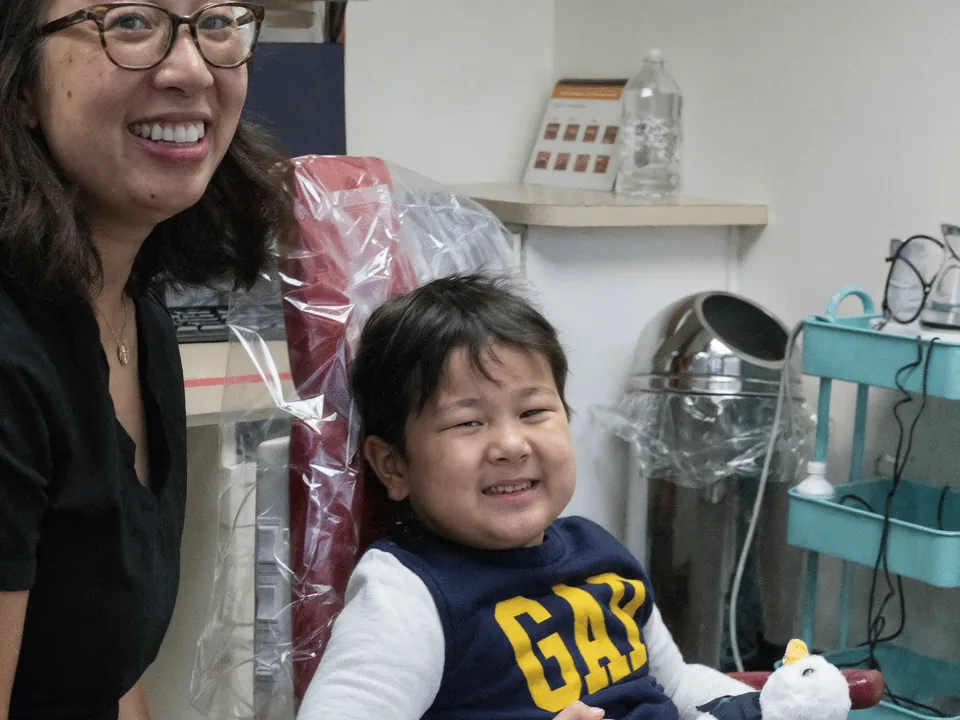
The visit
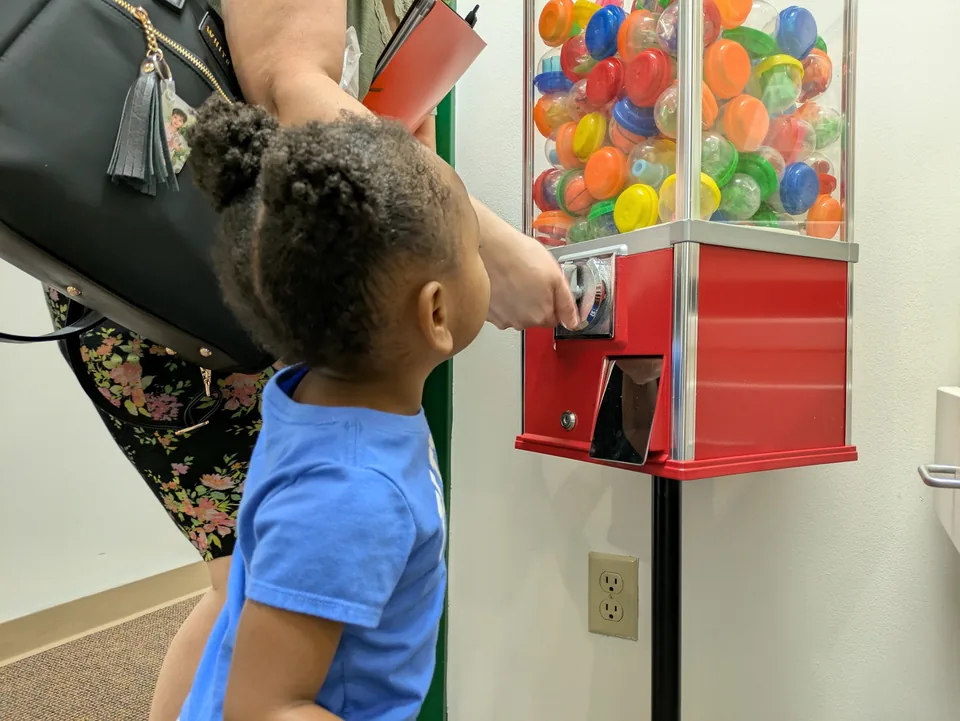
The crying child. The nervous waiting room. The tiny hands grip the chair arms while everyone silently hopes the appointment goes smoothly.
Credentialed by





The Article
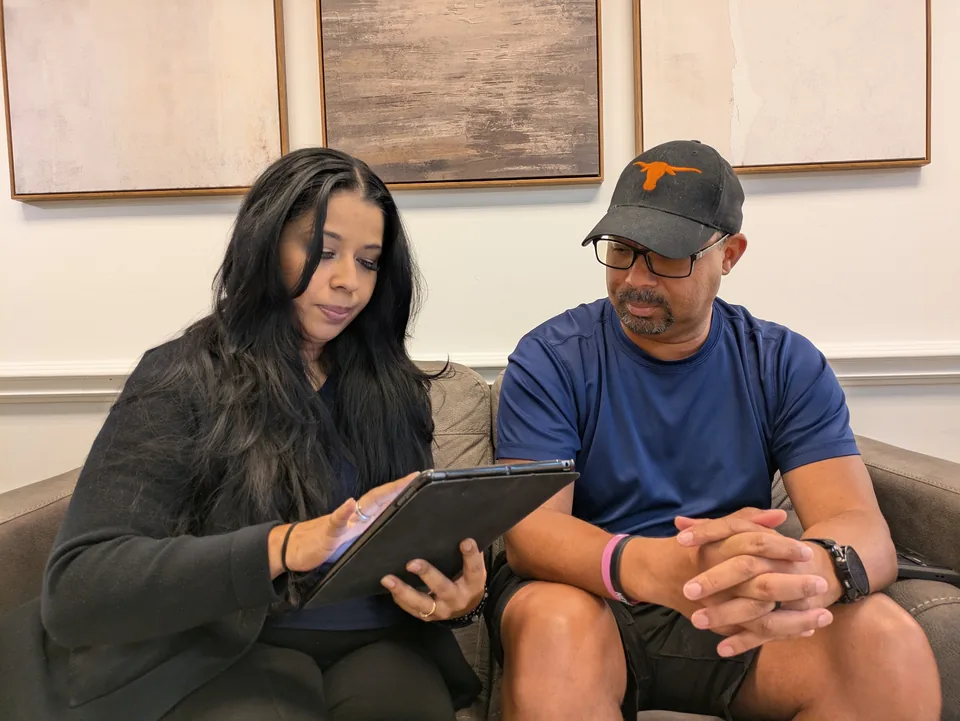
Every parent has imagined it at least once.
The crying child. The nervous waiting room. The tiny hands grip the chair arms while everyone silently hopes the appointment goes smoothly.
For many families, the idea of taking a child to the dentist feels overwhelming long before the appointment even begins. Parents worry about tears, fear, unexpected cavities, or whether their child will cooperate at all. Children, meanwhile, often walk into a dental clinic carrying stories from cartoons, classmates, or older siblings that make the experience seem far scarier than reality.
But what actually happens inside a pediatric dental clinic is often very different from the dramatic picture many parents imagine.
Behind the colorful walls, cheerful greetings, and playful decorations is a carefully designed environment built to help children feel calm, safe, and understood. Pediatric dental clinics are not simply smaller versions of adult dental offices. Every detail, from the language used by the dental team to the sounds, lighting, and pacing of appointments, is designed around helping children build positive lifelong habits.
At Mason Park Dental, many families discover that dental visits can shift from stressful experiences into empowering milestones for their children. Instead of fear and resistance, children often leave appointments smiling, asking questions, and feeling proud of themselves.
This transformation rarely happens by accident.
It happens because modern children’s dental care services focus on emotional comfort just as much as oral health. Today’s pediatric dental environment combines preventive care, patient education, gentle communication, and advanced technology to help children develop healthier relationships with dental care from an early age.
And sometimes, what begins as a full meltdown in the parking lot ends with a child proudly showing off a new toothbrush sticker on the ride home.
Before a child even sits in the dental chair, their experience has already begun.
Children absorb emotions quickly. They notice tone of voice, facial expressions, lighting, sounds, and even how adults around them react. A cold or intimidating environment can increase anxiety before treatment even starts.
That is why pediatric dental clinics often create welcoming spaces filled with calming visuals, toys, books, kid-friendly themes, and warm interactions with staff.
The goal is simple: reduce fear before fear has a chance to grow.
Many parents are surprised to learn how much psychology influences pediatric dentistry. Dental teams often use positive reinforcement, playful explanations, and child-friendly language to help patients feel included instead of frightened.
For example, instead of saying “needle” or “drill,” team members may describe tools in gentler, more approachable ways that reduce stress and confusion.
At Mason Park Dental, children’s dental visits with Dr. Tam Nguyen are designed to help children feel supported from the moment they enter the clinic. Small moments like greeting a child by name, explaining each step calmly, and celebrating cooperation can dramatically shape how children remember dental care.
Parents sometimes feel embarrassed when their child cries during a dental visit. In reality, this reaction is extremely common.
Children may become emotional for many reasons:
A meltdown does not automatically mean something is wrong.
In fact, many successful pediatric appointments begin with tears and end with laughter.
Experienced dental teams understand that trust must often be built slowly. Some children need extra time to observe the room, ask questions, or become comfortable sitting in the chair before treatment begins.
The first appointment is not always about completing extensive dental work. Sometimes it is simply about helping a child feel safe enough to return confidently for future visits.
That patience can make an enormous difference in long-term oral health habits.
Many parents assume pediatric dental appointments are mainly about cleaning teeth or checking for cavities.
While those things matter, there is another goal that is just as important:
Helping children build lifelong confidence around dental care.
Fear-based experiences in childhood can sometimes create long-term avoidance habits in adulthood. On the other hand, positive early experiences often help children become more cooperative, consistent, and proactive about oral health as they grow older.
This is why modern pediatric dentistry focuses heavily on prevention and education instead of waiting for major dental problems to develop.
Preventive appointments allow dental teams to monitor growth, identify concerns early, and teach children healthy habits before issues become more complicated.
This approach includes:
Strong preventive care for kids’ teeth can help reduce the likelihood of more stressful dental procedures later in childhood.
Parents often imagine pediatric dental visits as long and uncomfortable procedures. Most routine appointments are much simpler than expected.
A child’s visit may include:
Many pediatric dental teams begin by talking casually with the child before any examination begins. This helps build familiarity and trust.
Children may be asked about school, favorite cartoons, hobbies, or sports before treatment even starts.
The dentist checks teeth, gums, jaw growth, and oral development carefully while explaining each step in child-friendly language.
Dental hygienists gently remove plaque buildup and polish teeth using flavored products designed for children.
Modern digital X-rays are quicker and often more comfortable for children compared to older imaging methods.
Children may learn proper brushing techniques using oversized toothbrush models, mirrors, or playful demonstrations.
Many clinics celebrate cooperation with stickers, prizes, or encouraging praise that helps children associate dental visits with positive experiences.
One small cavity in childhood may not seem like a major concern initially. However, untreated dental issues can progress quickly in children because baby teeth have thinner enamel than adult teeth.
This is why early cavity detection plays such an important role in pediatric dentistry.
When cavities are identified early, treatment is often smaller, faster, and more comfortable for the child. Early intervention may also help prevent:
Regular dental visits allow providers to monitor subtle changes before they become larger problems.
Parents are often surprised to learn that children may not always recognize or communicate dental discomfort clearly. Some children continue to eat, play, and behave normally even as cavities develop.
Routine evaluations help identify concerns that children may not notice themselves.
One of the most common preventive treatments in pediatric dentistry is fluoride application.
Many parents hear the word “fluoride” frequently but are not entirely sure what it actually does.
Simply put, fluoride helps strengthen enamel and reduce the risk of cavities by supporting tooth resistance against acid attacks from bacteria and sugars.
Professional fluoride treatments for children are fast, painless, and commonly completed within minutes during routine dental appointments.
These treatments are especially valuable for children who:
Fluoride treatments are part of a broader preventive approach designed to keep dental problems smaller and easier to manage over time.
One of the most overlooked parts of pediatric dental care is emotional communication.
Children often remember how an experience felt more than the actual procedure itself.
A calm explanation can completely change how a child reacts. So can allowing children to ask questions, hold a mirror, or feel involved during their appointment.
Some pediatric dental providers use “tell-show-do” techniques:
This gradual approach reduces surprises and builds trust.
Parents also play a major role.
Children frequently mirror parental emotions. When adults appear anxious or apologetic before appointments, children often interpret the visit as something scary.
Confident, calm preparation at home can help children approach appointments more comfortably.
Modern pediatric dental clinics look very different from the offices many parents remember growing up.
Today’s technology often allows appointments to become:
Digital scanning technology, modern imaging systems, quieter equipment, and improved preventive materials all contribute to smoother experiences.
Many children also respond positively to visual technology because they can see their own teeth and understand dental care more clearly.
At Mason Park Dental, technology is used not only for clinical accuracy but also to improve comfort and communication during children’s dental visits with Dr. Tam Nguyen.
Perhaps the most surprising thing about pediatric dentistry is how quickly children can change.
A child who cries during one appointment may confidently walk into the next visit smiling.
Children are adaptable. Positive reinforcement, familiarity, and supportive communication can dramatically improve comfort levels over time.
Parents often notice changes like:
For many families, pediatric dental care becomes less about “fixing teeth” and more about supporting a child’s overall confidence and wellness.
That emotional growth matters just as much as clean teeth.
1. Why do some children cry during dental visits?Children may cry because of unfamiliar environments, anxiety, sensory sensitivity, or fear of the unknown. This reaction is common and often improves as children become more familiar with dental visits.
2. How often should children visit the dentist?Most children benefit from dental visits every six months, although some may require more frequent monitoring depending on their oral health needs.
3. Are fluoride treatments safe for children?Yes. Professional fluoride treatments for children are commonly used to strengthen enamel and reduce the risk of cavities when applied appropriately during dental appointments.
4. What happens if cavities are found early?With early cavity detection, treatment is often smaller, quicker, and easier for children compared to waiting until the decay becomes more advanced.
5. How can parents prepare children for dental visits?Parents can help by speaking positively about the dentist, avoiding fearful language, reading child-friendly dental books, and keeping a calm attitude before appointments.
Pediatric dental clinics are not simply places where children get their teeth cleaned. They are environments carefully built around trust, comfort, education, and prevention.
Behind every colorful waiting room, gentle conversation, and sticker reward is a larger purpose: helping children feel safe while building healthy habits that may benefit them for the rest of their lives.
At Mason Park Dental,the focus extends beyond teeth alone. Through supportive communication, modern technology, and compassionate care, children are encouraged to feel confident, understood, and empowered during every visit.
Sometimes the biggest transformation is not just the smile itself. It is watching a fearful child slowly realize that the dental clinic is no longer something to fear at all.
Remember: Positive dental experiences during childhood can shape lifelong confidence around oral health. Consistent preventive care, gentle communication, and regular checkups often make dental visits easier and more comfortable over time.
Read Next
Every post is written for a parent, not a dentist. The same topic first, then whatever was published nearest to this one.
Jun 23, 2026The visit8 min read
A child’s smile tells a story. It reflects confidence, growth, happiness, and health.
Read it
Jun 23, 2026The visit9 min read
A child’s smile is one of the most precious things parents cherish.
Read itMay 28, 2026The visit9 min read
A child’s smile changes quickly. One day they are showing off their very first tooth, and before parents know it, they are preparing for school photos, birthday parties,…
Read itThe Invitation
A post is general by nature. The visit is about your child. Book one, and ask the front desk anything this page raised.